




What's Happening?
Taiwan has significantly tightened its military service exemption standards in response to a persistent troop shortage and instances of celebrities evading service. The government plans to raise the Body Mass Index (BMI) threshold for exemption from 35
to 45 and adjust height requirements, effectively halving the exemption rate. This change is projected to add several thousand troops annually to Taiwan's military. Previously, individuals with a BMI above 35 or below 15 were exempt; now, only a BMI above 45 qualifies for exemption, and the lower threshold has been removed. For a man 170 centimeters tall, the weight required for exemption has increased from over 101.3 kilograms to over 130.2 kilograms. Exemptions for high blood pressure have also become more stringent, now requiring moderate or severe conditions with organ damage, and extensive hospital observation. Flat feet, previously an exemption, now qualify for alternative service.
Why It's Important?
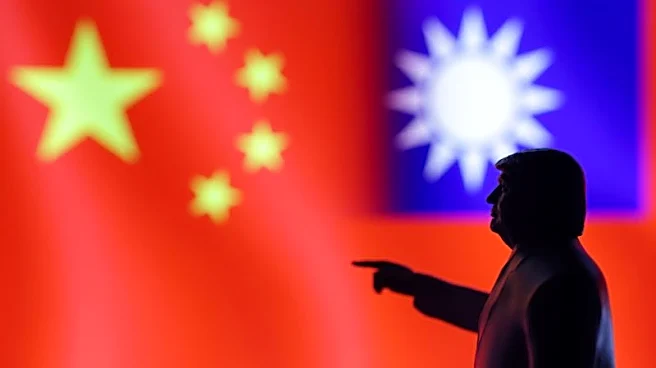
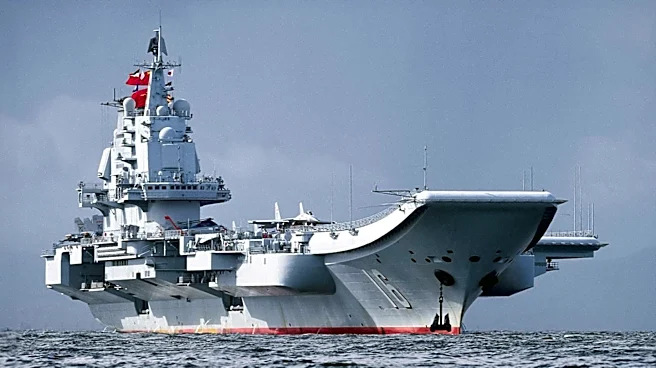
This policy change is a direct response to Taiwan's critical troop shortage, exacerbated by a falling birth rate and a volunteer recruitment rate that has consistently missed its targets. The move underscores the increasing urgency Taiwan places on bolstering its defense capabilities amidst rising cross-strait tensions with China. By tightening exemption rules, Taiwan aims to increase its active military personnel and alternative service members, thereby enhancing its overall combat readiness. This is particularly important as mandatory service was extended from four months to one year in January 2024. The decision reflects a strategic effort to ensure a sufficient and capable defense force, which is vital for deterring potential aggression and maintaining national security in a volatile geopolitical environment. The fairness of conscription and the need for a robust defense are central to this policy shift.
What's Next?
The revised military exemption standards are expected to significantly increase the pool of eligible conscripts, with officials calculating an additional 4,500 men for regular military service and 2,700 for alternative service each year. This will likely lead to a more robust and prepared military force for Taiwan. However, the changes may also face public scrutiny, particularly regarding the fairness of the new criteria and the potential impact on individuals who previously qualified for exemption. The government will need to manage public perception and ensure transparent implementation of the new rules. The effectiveness of these measures in addressing the long-term troop shortage will depend on sustained recruitment efforts and demographic trends. The international community, especially the U.S., will likely view this as a positive step by Taiwan to strengthen its self-defense, aligning with broader efforts to maintain stability in the Indo-Pacific.
Beyond the Headlines
The tightening of military exemption rules in Taiwan highlights a deeper societal challenge: balancing national security needs with individual rights and public health considerations. The previous exemption criteria, particularly those related to BMI and certain medical conditions, were reportedly exploited by some, including celebrities, to avoid service. This created a perception of unfairness and undermined the integrity of the conscription system. The new, stricter rules aim to address these issues, but they also raise questions about the physical and mental well-being of a broader range of conscripts. The debate among experts, with some emphasizing comprehensive assessment for combat readiness and others viewing it as a political response to fairness demands, underscores the complex ethical and social dimensions of military service in a democratic society facing external threats. This policy shift reflects a nation grappling with its demographic realities while striving to maintain its sovereignty.