







What's Happening?
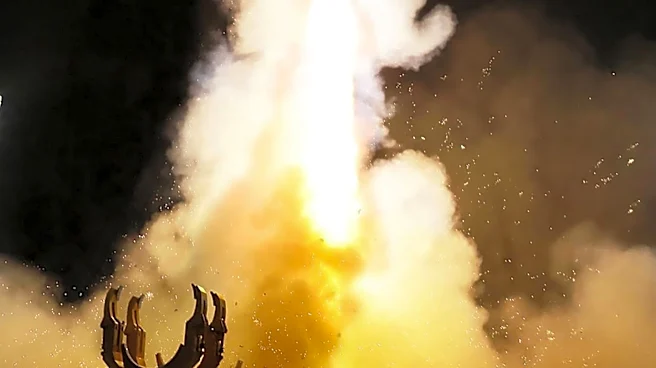
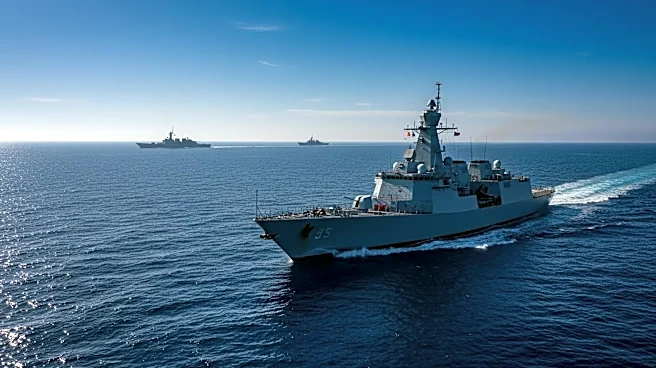
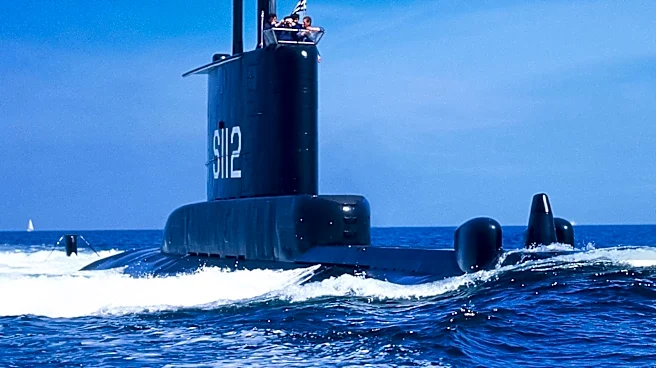
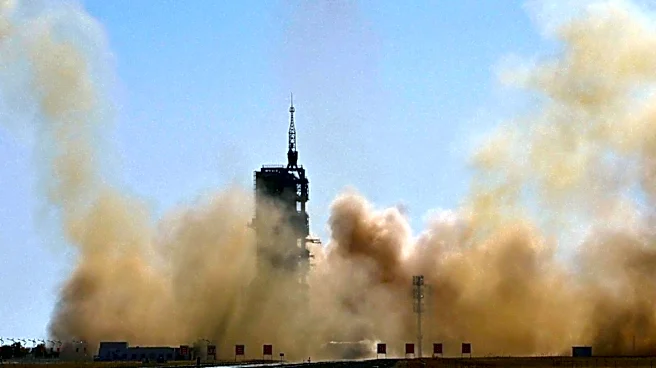
China recently conducted a submarine-launched ballistic missile test, which has raised concerns about the integrity of the South Pacific Nuclear Weapons Free Zone. The missile, launched by the People's Liberation Army Navy, traveled approximately 7,000
kilometers before landing near the island nations of Nauru and Tuvalu. These nations are part of the South Pacific Nuclear Weapons Free Zone, established by the Treaty of Rarotonga in 1986, which prohibits nuclear weapons testing in the region. Although the missile was not nuclear-tipped, the test has been criticized for violating the spirit of the treaty. New Zealand and Australia have expressed concerns, while China maintains that the test was routine and conducted safely.
Why It's Important?
This development is significant as it highlights the ongoing geopolitical tensions in the Pacific region. The test underscores the challenges faced by nuclear weapons-free zones in maintaining their integrity amidst the strategic interests of nuclear-armed states. China's actions could lead to increased regional tensions and a potential arms race, as countries may feel compelled to bolster their defenses. The situation also reflects broader global dynamics, where major powers are testing the limits of international treaties to advance their strategic goals.
What's Next?
The missile test may prompt diplomatic discussions among the signatories of the Treaty of Rarotonga to address the perceived violations and reinforce the treaty's objectives. Regional players, including the U.S. and Australia, might increase their military presence or engage in joint exercises to counterbalance China's influence. Additionally, there could be calls for revisiting and strengthening international agreements to prevent similar incidents in the future.
Beyond the Headlines
The incident raises questions about the effectiveness of international treaties in curbing the proliferation of nuclear weapons and maintaining regional peace. It also highlights the need for a renewed focus on diplomatic efforts to address the underlying security concerns that drive such actions. The test could influence other regions with similar treaties, potentially leading to a reevaluation of their security strategies.