


What's Happening?
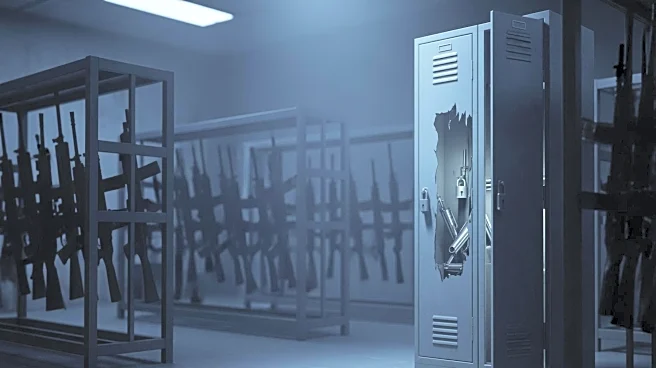
Marine Cpl. Andrew Paul Amarillas has been charged by the Department of Justice with stealing and embezzling military weapons, including a Javelin missile system, from Camp Pendleton. Amarillas, who served as an ammunition technical specialist at the School
of Infantry West, allegedly used his position to access and steal military property between February 2022 and November 2025. He is accused of transporting these weapons to Arizona, where he sold them to a network of co-conspirators. The stolen items, which include military-grade ammunition and other weapons-related materials, are considered highly dangerous and pose a threat to civilians and law enforcement. Some of the stolen materials have been recovered, but not all. Amarillas has pleaded not guilty to charges including conspiracy to commit theft and embezzlement of government property.
Why It's Important?
This case highlights significant security concerns regarding the handling and safeguarding of military weapons. The theft and illegal sale of such weapons pose a direct threat to public safety and national security. The involvement of military personnel in such activities raises questions about internal controls and oversight within military installations. The case also underscores the potential for military-grade weapons to enter civilian markets, which could lead to increased violence and criminal activity. The outcome of this case could lead to stricter regulations and oversight within military facilities to prevent similar incidents in the future.
What's Next?
Cpl. Amarillas is currently in federal custody and has been deemed a flight risk by the court. He is awaiting trial, where he will face charges of conspiracy to commit theft and embezzlement of government property, among others. The trial will likely examine the extent of the theft, the network involved in the resale of the weapons, and the potential impact on national security. The military and law enforcement agencies may also review and potentially revise their security protocols to prevent future incidents of this nature.