



What's Happening?
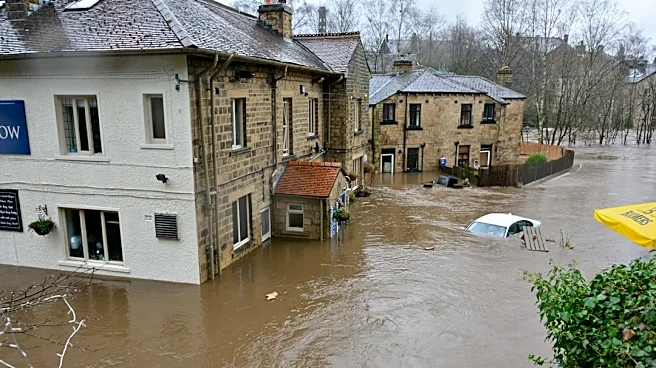
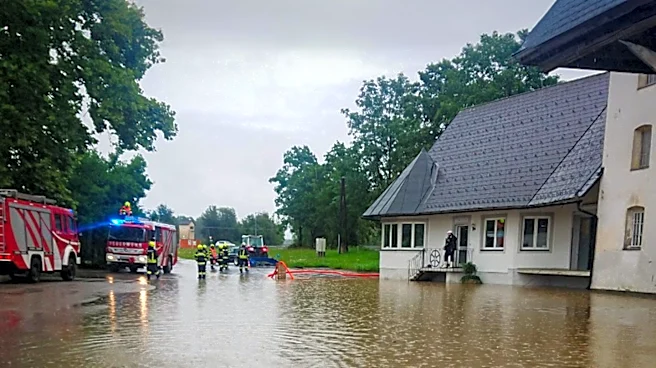
Georgia Governor Brian Kemp has issued a State of Emergency for Fannin, Gilmer, Murray, and Union counties in North Georgia due to catastrophic flash flooding. The executive order makes all state resources available for recovery efforts in these areas.
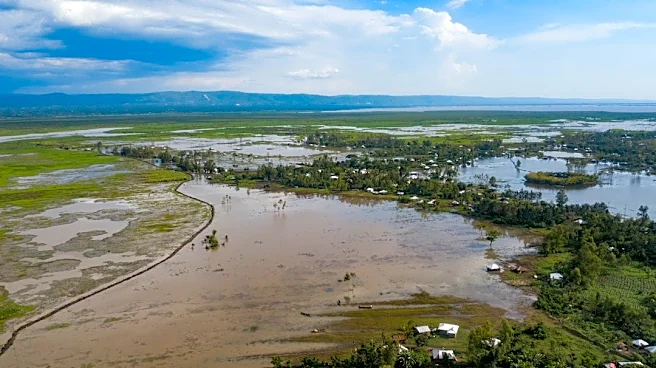
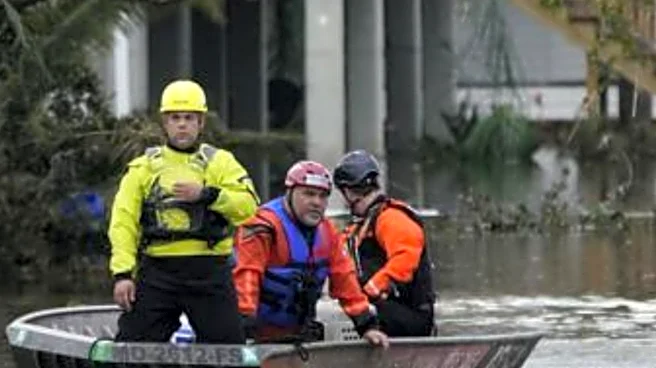
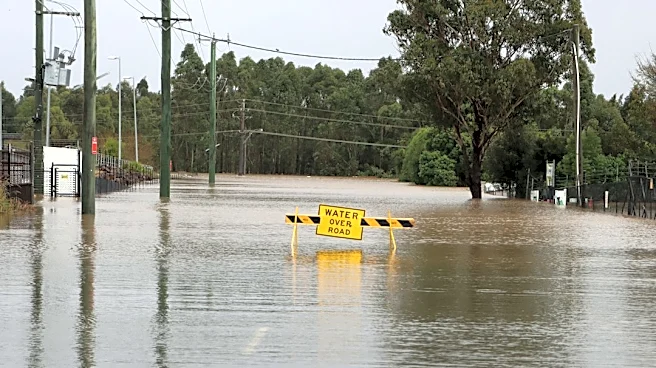
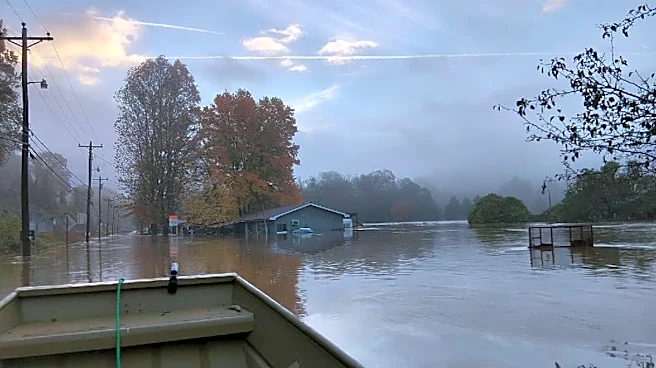
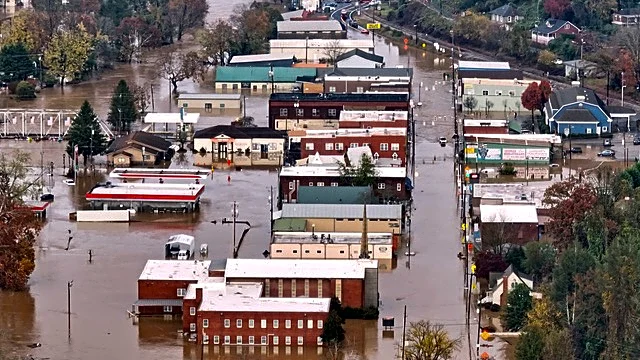
The flooding caused significant damage, destroying homes, damaging roads, and necessitating numerous evacuations, particularly in McCaysville along the Toccoa River. The Toccoa River reached an unprecedented peak of 18.05 feet, surpassing its 1990 record of 17.75 feet. While floodwaters have largely receded, the focus is now on cleanup and recovery. The State of Emergency also activates the Georgia Emergency Management and Homeland Security Agency's emergency operations center to coordinate state agency responses and prohibits price gouging on essential goods like water and fuel. The order is set to expire on Thursday, November 12, at 11:59 p.m., with an option for renewal by Governor Kemp.
Why It's Important?
The declaration of a State of Emergency is crucial for the affected North Georgia counties as it unlocks vital state resources for recovery and rebuilding. This action directly impacts residents and local businesses by providing coordinated assistance for infrastructure repair, housing, and other immediate needs. The prohibition of price gouging is particularly significant, protecting vulnerable populations from exploitation during a crisis when essential supplies are in high demand. For the state, it demonstrates a rapid response to natural disasters, potentially mitigating long-term economic and social disruption in the affected communities. The record-breaking river levels highlight the increasing severity of weather events, underscoring the importance of robust emergency management and infrastructure resilience in the face of climate challenges. The coordinated state response aims to accelerate the return to normalcy for thousands of Georgians.
What's Next?
With the State of Emergency in effect until November 12, the immediate next steps involve the full activation of state resources and coordinated efforts by the Georgia Emergency Management and Homeland Security Agency. Emergency personnel will continue to assist impacted communities with cleanup and recovery operations. Governor Kemp retains the option to renew the state of emergency if ongoing needs warrant it, which would extend the availability of state aid and protective measures like the price gouging prohibition. Local authorities will be working closely with state agencies to assess the full extent of the damage and prioritize recovery projects. Residents in the affected counties will be focused on rebuilding their homes and communities, with state support playing a critical role in facilitating these efforts. The long-term implications will involve evaluating and potentially enhancing flood mitigation strategies for the region.
Beyond the Headlines
The catastrophic flooding in North Georgia, marked by record-high river levels, points to broader environmental and infrastructural challenges. While immediate relief is paramount, the event underscores the increasing frequency and intensity of extreme weather phenomena, potentially linked to climate change. This could prompt a reevaluation of existing flood plain management, zoning regulations, and infrastructure resilience across the state. The economic impact extends beyond immediate property damage, affecting local tourism, agriculture, and small businesses, which are vital to the regional economy. Furthermore, the psychological toll on residents who have lost homes and livelihoods can be substantial, necessitating long-term community support and mental health resources. This event may also spur discussions on federal aid and the need for more comprehensive national strategies to address climate-related disasters in vulnerable regions.