






What's Happening?
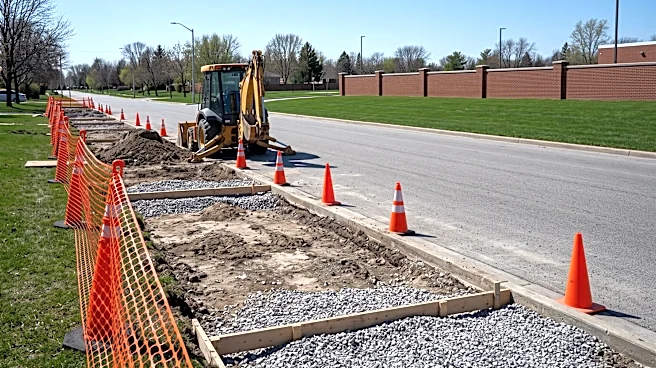
Cambria Utility Superintendent Bruce Hagler is undertaking a comprehensive effort to map and address drainage and culvert problems throughout the village. This initiative involves identifying trouble spots where years of sediment buildup have impeded
water flow, requiring either cleaning or replacement of culverts. A significant challenge in this process is the recent installation of fiber optic lines by multiple companies, some of which are buried at shallow depths. Hagler noted that some lines are only four inches underground, posing a risk of damage during excavation work that often requires digging a foot or more. Repairing damaged fiber optic lines is described as extremely expensive and complicated. The work is extensive and will be phased, with Hagler planning to develop cost estimates and explore options to reduce expenses, such as having village employees handle material hauling while contractors manage excavation. Village President William Lo plans to propose new requirements for utility companies to provide detailed information about their underground installations to improve future record-keeping.
Why It's Important?
This situation highlights a growing infrastructure challenge in many communities where new utility installations, such as fiber optics, intersect with existing public works maintenance. The lack of precise records for underground infrastructure can lead to costly damages, project delays, and increased operational expenses for municipalities. For residents, unresolved drainage issues can lead to property damage, localized flooding, and public health concerns. The village's approach to mapping and systematically addressing these problems, while navigating the complexities of new underground utilities, could serve as a model for other small towns facing similar issues. The proposed requirement for utility companies to provide detailed installation data is crucial for long-term urban planning and efficient infrastructure management, potentially preventing future conflicts and financial burdens on taxpayers.
What's Next?
Superintendent Hagler will continue to map drainage and culvert trouble spots and develop detailed cost estimates for the necessary repairs in the coming months. The work will be phased, starting with critical sections of the village. Village President William Lo intends to propose new regulations that would require utility companies to provide the village with comprehensive information about their underground installations. This initiative aims to create better records for future infrastructure projects and maintenance. The village will also explore collaborative approaches with contractors to manage costs, potentially by having village employees handle certain aspects of the work. Progress reports are expected as the initial phases of the drainage improvement project commence.
Beyond the Headlines
The challenges faced by Cambria underscore a broader national issue concerning the coordination and documentation of underground utility infrastructure. As communities upgrade to modern services like high-speed internet, the rapid deployment of fiber optics often occurs without a centralized, accessible database of precise locations. This can lead to significant operational inefficiencies, increased risks for public works crews, and potential financial liabilities for municipalities. The situation also raises questions about regulatory frameworks for utility installations, particularly regarding depth requirements and mapping standards. A lack of standardized data sharing between private utility companies and local governments can create long-term maintenance headaches and hinder efficient urban development. This scenario highlights the need for proactive policy development at local and state levels to ensure that infrastructure modernization is integrated seamlessly with existing public services.