






What's Happening?
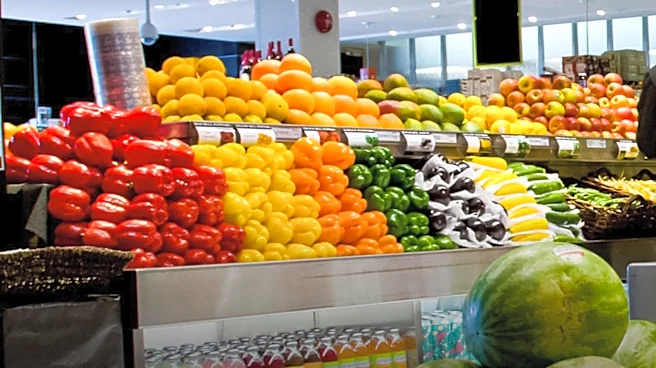
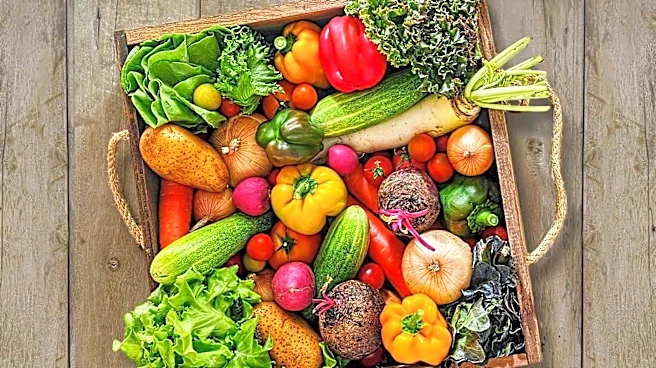
The Arkansas Department of Agriculture has announced the opening of applications for the 2026-27 USDA Fresh Fruit and Vegetable Program. This initiative aims to provide fresh fruits and vegetables to elementary school students across the state. Starting
October 1, the department will distribute $3,376,009 in funding to participating schools, allowing them to offer these healthy options free of charge to students in grades K-6. At least 162 schools are expected to join the program. Stephanie Alsbrook, the food and nutrition director at the Arkansas Department of Agriculture, highlighted the program's role in promoting healthy eating habits among students. Governor Sarah Huckabee Sanders also expressed support, emphasizing the program's importance in ensuring students have access to nutritious foods necessary for learning.
Why It's Important?
This program is significant as it addresses childhood obesity and promotes healthy eating habits among young students in Arkansas. By providing free access to fresh fruits and vegetables, the initiative supports the development of lifelong healthy eating patterns. The program also represents a substantial investment in the health and future of Arkansas communities, potentially leading to a decline in childhood obesity rates. Schools participating in the program for two or more consecutive years have reported up to a four percent reduction in obesity rates, underscoring the program's impact on public health. Additionally, the initiative aligns with broader efforts to improve nutrition and food security in educational settings.
What's Next?
Schools interested in participating must apply by August 28. Eligible schools are those already part of the National School Lunch Program. The Arkansas Department of Agriculture has provided detailed eligibility requirements and application instructions on its website. As the program rolls out, participating schools will begin integrating fresh fruits and vegetables into their meal offerings, potentially influencing other states to adopt similar initiatives. The success of this program could lead to expanded funding and participation in future years, further enhancing its impact on student health and nutrition.