



What's Happening?
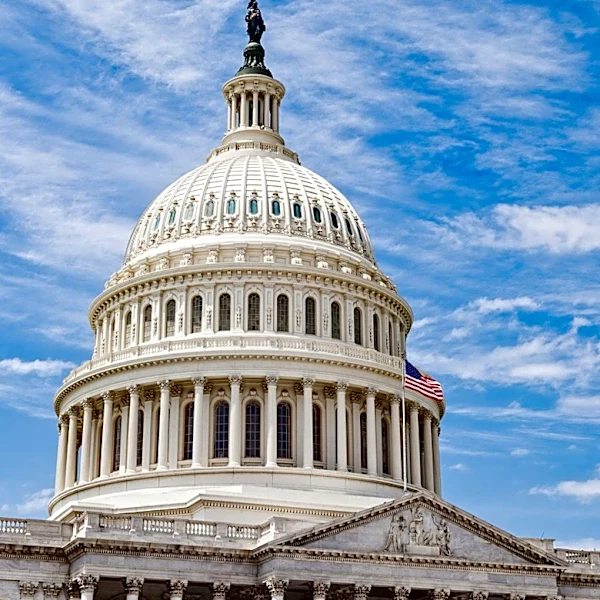
The House of Representatives has passed the Retirement Fairness for Charities and Educational Institutions Act (H.R. 1013), a bill sponsored by Rep. Frank D. Lucas, R-Okla. This legislation aims to permit individuals enrolled in 403(b) retirement plans,
which are designed for employees of public schools, charities, and churches, to invest in collective investment trusts. Rep. Lucas stated that the bill would provide these Americans with the same retirement investment opportunities available to other workers. However, Rep. Stephen F. Lynch, D-Mass., opposed the bill, citing concerns that the absence of transparency rules for these trusts could expose 403(b) enrollees to undisclosed risks. The vote on November 11 was 295 yeas to 128 nays.
Why It's Important?
This legislation carries significant implications for a large segment of the U.S. workforce, specifically those employed by public schools, charities, and churches, who rely on 403(b) retirement plans. The ability to invest in collective investment trusts could potentially offer these individuals broader investment options and possibly higher returns, aligning their opportunities with those in other sectors. However, Rep. Lynch's concerns about transparency highlight a critical potential vulnerability. A lack of clear oversight and disclosure rules could lead to hidden fees, complex investment structures, or inadequate risk management, potentially jeopardizing the retirement savings of millions. This debate underscores the ongoing tension between expanding investment access and ensuring robust consumer protection within the financial sector, particularly for retirement funds where security and clarity are paramount.
What's Next?
Following its passage in the House, the Retirement Fairness for Charities and Educational Institutions Act (H.R. 1013) will likely move to the Senate for consideration. The concerns raised by Rep. Lynch regarding transparency and potential risks for 403(b) enrollees may be further debated in the Senate. Stakeholders, including financial industry groups, employee advocacy organizations, and retirement plan administrators, will likely engage with senators to either support or oppose the bill's current form. The outcome in the Senate will determine whether these new investment opportunities become available and under what regulatory framework, potentially influencing the financial planning and security of employees in the non-profit and public education sectors.
Beyond the Headlines
The discussion surrounding H.R. 1013 extends beyond immediate financial implications, touching upon broader themes of financial literacy, regulatory oversight, and equitable access to investment tools. While the intent to equalize investment opportunities is commendable, the potential for hidden risks in collective investment trusts raises questions about the adequacy of current regulatory frameworks for protecting less financially sophisticated investors. This situation could prompt a re-evaluation of how transparency is mandated across various retirement savings vehicles, potentially leading to calls for more standardized disclosure requirements. The outcome could also influence public trust in financial products offered to specific professional groups, highlighting the need for a balance between innovation in investment options and stringent consumer safeguards.