







What's Happening?
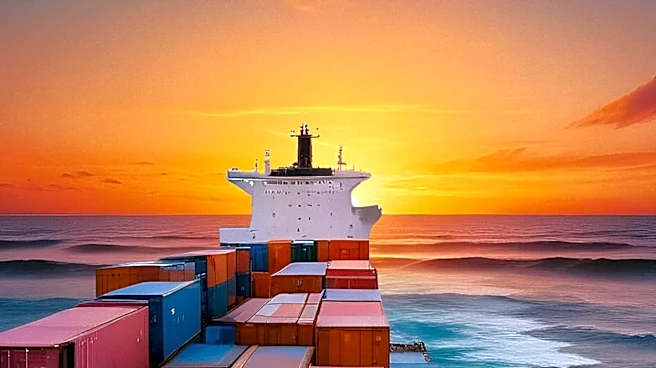
A recent study published in Biological Invasions highlights a significant biosecurity threat posed by ships stranded in the Persian Gulf and the Gulf of Oman due to the closure of the Strait of Hormuz amid the U.S.-Iran conflict. The research, led by Mario
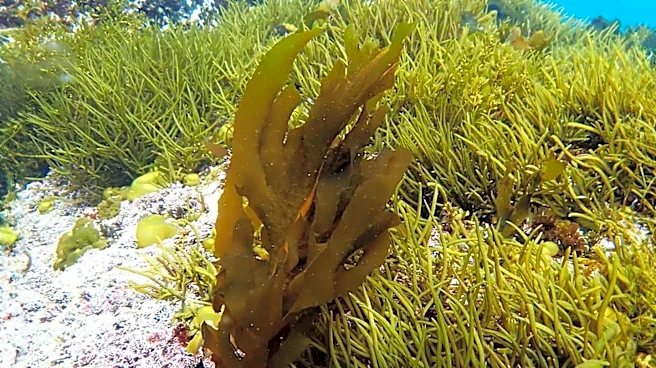
Tamburri from the University of Maryland Center for Environmental Science, warns that the accumulation of organisms such as algae, barnacles, and tunicates on these stationary vessels could lead to a 'super-spreader' event of invasive species once the ships resume travel. With over 1,500 ships stalled, the prolonged idleness has allowed these organisms to thrive, potentially spreading to ports worldwide if not managed properly.
Why It's Important?
The potential spread of invasive species from these ships could have long-term environmental impacts globally. Invasive species can disrupt local ecosystems, outcompete native species, and cause significant ecological and economic damage. The situation underscores the interconnectedness of geopolitical events and environmental consequences, highlighting the need for international cooperation in managing biosecurity risks. The study emphasizes the importance of addressing biofouling, a less regulated aspect of marine shipping, to prevent similar ecological threats in the future.
What's Next?
Addressing the biosecurity threat posed by these ships will require coordinated international efforts. Cleaning the vessels before they leave the Gulf is challenging due to safety risks and logistical constraints. The International Marine Organization has updated guidelines on biofouling, but mandatory regulations are still in development. The situation calls for urgent action to prevent the spread of invasive species, which could become entrenched and cause chronic ecological and economic costs.
Beyond the Headlines
This event highlights the broader implications of geopolitical conflicts on global environmental health. The potential for marine invasions from the Gulf region serves as a reminder of the need for comprehensive strategies to manage biosecurity risks associated with global shipping. The situation also illustrates the complex interplay between human activities and natural ecosystems, emphasizing the importance of sustainable practices in international trade and conflict resolution.