






What's Happening?
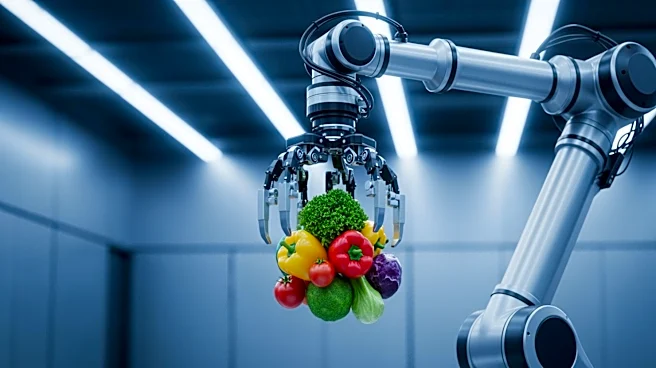
European robotics start-ups are increasingly positioning themselves to compete against dominant Chinese companies in the robotics sector. At the Vivatech trade fair in France, companies like Enchanted Tools showcased their innovative robots, such as the Mirokai,
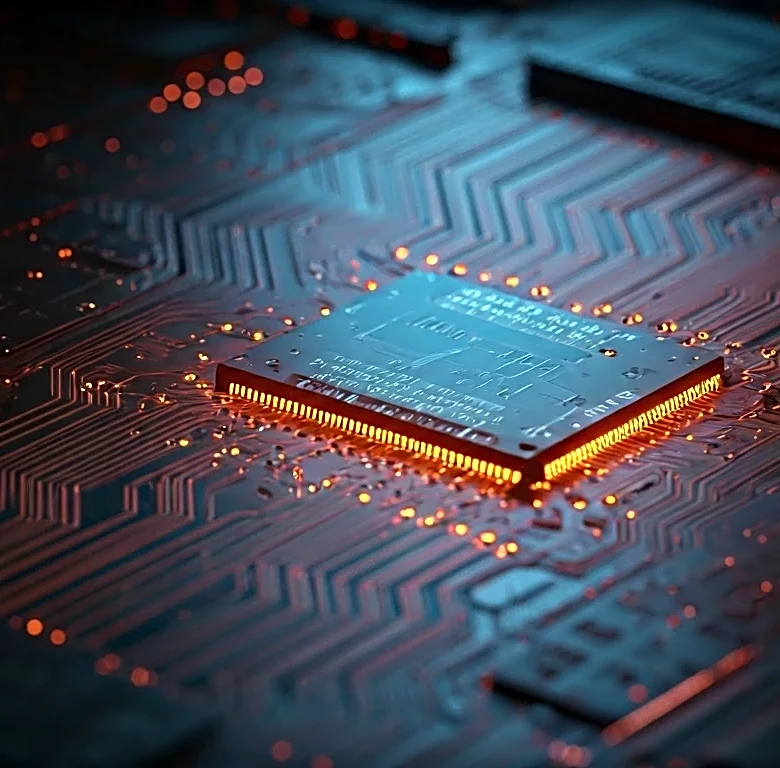
which is designed to perform social tasks and communicate in multiple languages. Despite the European manufacturing focus, these start-ups rely on American technology, particularly Nvidia's graphics processors, to power their AI capabilities. The European robotics industry is striving to maintain a significant portion of its production within Europe, despite challenges such as limited local AI expertise and the overwhelming production capacity of Chinese firms.
Why It's Important?
The development of a robust European robotics industry is crucial for the continent's economic sustainability, especially in light of an aging population that could strain labor markets. By fostering local production and innovation, Europe aims to reduce dependency on Chinese manufacturing and safeguard sensitive data. The involvement of American technology, like Nvidia's processors, highlights the interconnected nature of global tech industries and the strategic importance of maintaining technological sovereignty. This competition also underscores the broader geopolitical dynamics in technology and manufacturing, with Europe seeking to establish itself as a key player alongside China and the United States.
What's Next?
European robotics companies are likely to continue expanding their capabilities and production within the continent. This includes efforts to develop a fully European supply chain to enhance technological independence. Companies like Genesis AI are planning to relocate production from China to Europe, targeting industrial bases in France, Italy, and Germany. The success of these initiatives will depend on overcoming regulatory and financial challenges, as well as fostering innovation to meet the growing demand for robotics solutions across various sectors.
Beyond the Headlines
The push for a European-centric robotics industry raises important questions about data security and technological sovereignty. As robotics increasingly rely on vast amounts of data for training and operation, ensuring that this data remains within Europe is a strategic priority. This move could also influence global supply chains and trade dynamics, as Europe seeks to balance economic interests with security concerns. The outcome of this competition could reshape the global robotics landscape, with potential implications for international cooperation and competition in technology development.