





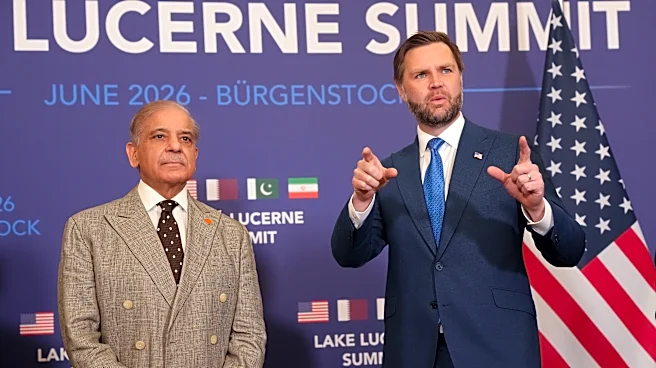
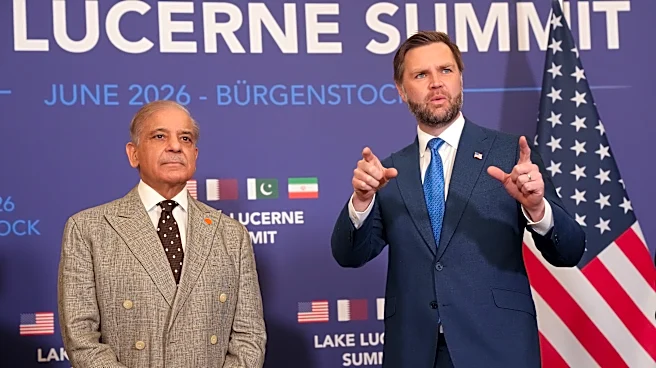
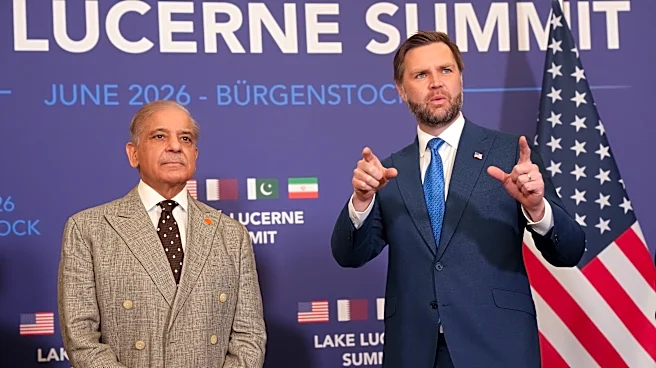


What's Happening?
The ongoing conflict with Iran has exposed the fragility of the Abraham Accords, a diplomatic initiative launched by the Trump administration to normalize relations between Israel and several Arab states. The accords, initially celebrated as a breakthrough
for regional peace, are now facing challenges as the conflict with Iran escalates. The recent push to expand the accords to include additional countries has been complicated by the unresolved status of Gaza and the broader geopolitical tensions in the region.
Why It's Important?
The Abraham Accords were seen as a significant diplomatic achievement, aimed at fostering peace and cooperation in the Middle East. However, the current conflict with Iran highlights the limitations of the accords and the challenges of achieving lasting peace in a region marked by deep-seated historical and political divisions. The situation underscores the need for a comprehensive approach to Middle Eastern diplomacy that addresses underlying conflicts and promotes stability.
Beyond the Headlines
The challenges facing the Abraham Accords reflect broader issues in international diplomacy, including the difficulty of balancing strategic interests with ethical considerations. The accords' focus on security and regional alliances has been complicated by the ongoing conflict with Iran, raising questions about the sustainability of such agreements in the face of geopolitical tensions. The situation also highlights the importance of addressing the root causes of conflict, including historical grievances and political rivalries, to achieve lasting peace.