








What's Happening?
Azerbaijan's state oil company, SOCAR, has significantly expanded its presence in Israel's energy sector, acquiring stakes in key gas fields and establishing itself as a major player in the region. SOCAR now holds a 10% stake in the Tamar gas field and operates
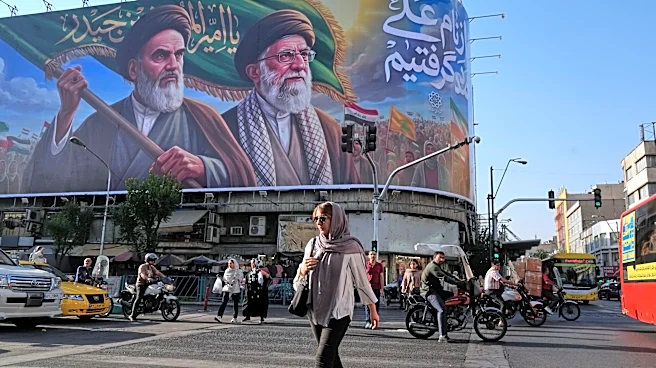
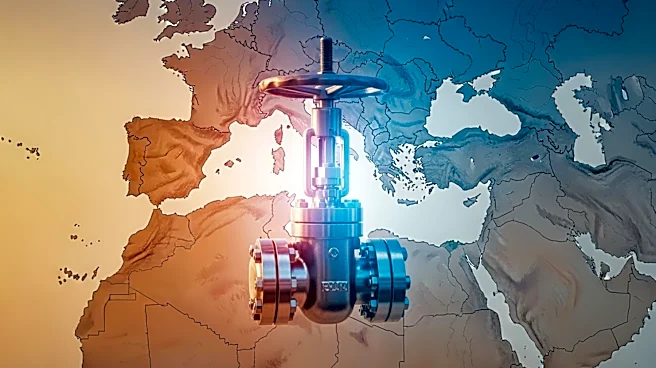
the largest new exploration zone in Israeli waters. This expansion comes amid ongoing regional tensions, including Iranian threats and disruptions in Israeli gas exports. SOCAR's involvement provides a backup supply for Israeli gas, which has faced multiple shutdowns due to regional conflicts. The company's strategic moves were highlighted at the Baku Energy Forum, where it was revealed that SOCAR is also involved in supplying gas to Egypt and Jordan, further solidifying its role in the East Mediterranean energy landscape.
Why It's Important?
SOCAR's expansion into Israel's energy sector underscores the shifting dynamics in the East Mediterranean region. By securing a foothold in Israeli gas fields, Azerbaijan strengthens its geopolitical influence and energy security. This development is crucial for Israel, which relies heavily on natural gas exports to neighboring countries like Egypt and Jordan. SOCAR's involvement provides a buffer against potential disruptions in Israeli gas supplies, ensuring continued energy flow to these nations. Additionally, the partnership between Azerbaijan and Israel highlights the complex web of alliances and rivalries in the region, particularly in the context of Iranian threats and the broader geopolitical landscape.
What's Next?
As SOCAR continues to expand its influence in the region, further developments in its partnerships with Israel and other East Mediterranean countries are expected. The company's strategic positioning may lead to increased collaboration with other energy players, potentially reshaping the regional energy market. Additionally, ongoing tensions with Iran could impact SOCAR's operations and the stability of energy supplies in the region. Stakeholders will be closely monitoring these developments, as they could have significant implications for regional energy security and geopolitical alignments.