





What's Happening?
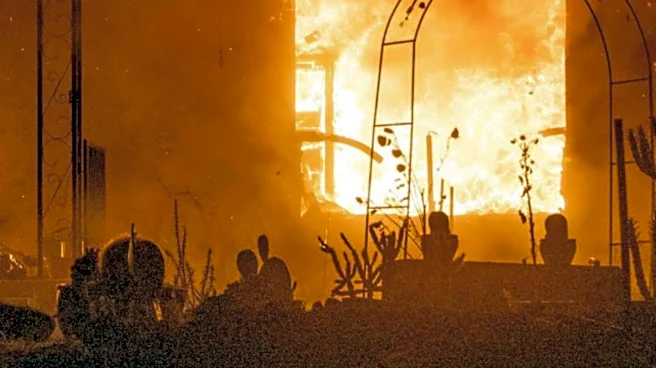
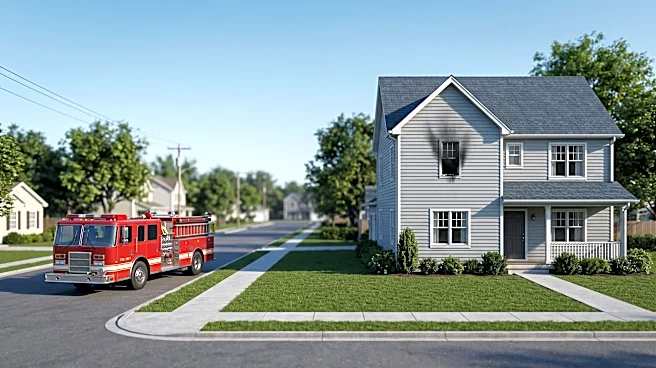
A home on Douglas Court in Stony Point, Alexander County, North Carolina, was destroyed by fire over the weekend. The residence belonged to Stephanie Norton, who lived there with her twin 13-year-old sons and an 8-year-old family member. Fortunately,
no one was inside the house when the fire erupted. Investigators believe a lightning strike during a severe thunderstorm may have caused the blaze. Firefighters arrived at the scene within two minutes of receiving the call, but the flames had already spread significantly across the roofline. Neighbor Sharon Watts described the intense weather conditions, including rain, wind, and thunder, before emergency services reached the location. Three fire departments responded to control the fire, with some firefighters being called from church services due to the storm. The family was left with only the clothes they were wearing, having learned of the fire from a neighbor's call.
Why It's Important?
This incident highlights the significant and immediate dangers posed by severe weather events, particularly lightning strikes, to residential properties. For the affected family, the loss of their home represents a complete disruption of their lives, necessitating immediate support for housing, clothing, and other essential needs. The community's rapid response, including assistance from the American Red Cross and the establishment of a GoFundMe fundraiser, underscores the critical role of local support networks in times of disaster. From a broader perspective, this event serves as a reminder for homeowners in storm-prone areas to consider robust lightning protection systems and comprehensive insurance coverage. It also emphasizes the importance of rapid emergency response and the dedication of local fire departments, many of whose members are volunteers, in protecting their communities.
What's Next?
The fire marshal plans to consult lightning strike data from the National Weather Service for Stony Point on Sunday morning to further investigate the exact cause of the fire. This data will be crucial in officially confirming whether a lightning strike was indeed responsible. In the immediate future, the Norton family will continue to receive assistance from the American Red Cross, which is providing support for their immediate needs. The GoFundMe fundraiser established for the family will likely be a primary source of financial aid as they work to rebuild their lives and secure new housing. The community's ongoing support will be vital for the family's recovery, both emotionally and practically, as they navigate the aftermath of losing their home.
Beyond the Headlines
Beyond the immediate tragedy, this event brings to light the increasing vulnerability of communities to extreme weather phenomena, which some attribute to broader climate patterns. While a single lightning strike is a localized event, the intensity of the storm described by neighbors suggests a need for ongoing community preparedness and resilience strategies against severe weather. The reliance on community support, such as the GoFundMe campaign, also points to gaps in disaster recovery mechanisms for individual families, even with the assistance of organizations like the Red Cross. This incident could prompt discussions on local building codes, insurance policies, and public awareness campaigns regarding lightning safety and home protection in areas susceptible to such natural occurrences, emphasizing proactive measures over reactive responses.