






What's Happening?
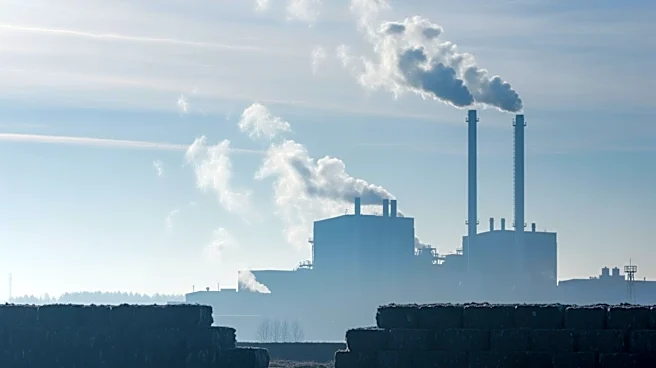
Iceland is evaluating the establishment of a domestic waste incineration plant to address the increasing costs associated with exporting waste for processing. Currently, Iceland ships approximately 40,000 tonnes of waste annually to Sweden for incineration,
incurring costs of around ISK 1 billion. However, with a proposed ban on landfilling mixed waste expected by 2028, the volume of waste could double, potentially raising annual costs to between ISK 5 and 6 billion. In response, Sorpa, a waste management company, and its partners are exploring high-tech incineration solutions within Iceland. The proposed plant, estimated to cost between ISK 25 and 30 billion, is being considered for locations in southwest Iceland, including Helguvík, Bergvík, Grundartangi, and areas near the capital. The initiative aims to leverage modern incineration technology, which is already in use across Europe, to reduce long-term expenditure and utilize energy more efficiently.
Why It's Important?
The development of a domestic waste incineration facility in Iceland could significantly impact the country's waste management strategy and economic landscape. By reducing reliance on foreign processing facilities, Iceland could lower its waste management costs and enhance its energy efficiency. This move could also stimulate local economic activity through infrastructure development and job creation. Additionally, adopting modern incineration technology aligns with global environmental standards, potentially reducing Iceland's carbon footprint. The initiative reflects a broader trend of countries seeking sustainable waste management solutions amid rising environmental and economic pressures.
What's Next?
If Iceland proceeds with the incineration plant, the next steps would involve finalizing the location and securing funding for the project. Stakeholders, including government agencies, environmental groups, and local communities, are likely to engage in discussions about the plant's environmental impact and economic benefits. The project could also prompt regulatory reviews to ensure compliance with environmental standards. As the proposed ban on landfilling mixed waste approaches, Iceland will need to expedite its decision-making process to avoid escalating costs and logistical challenges associated with waste exportation.