









What's Happening?
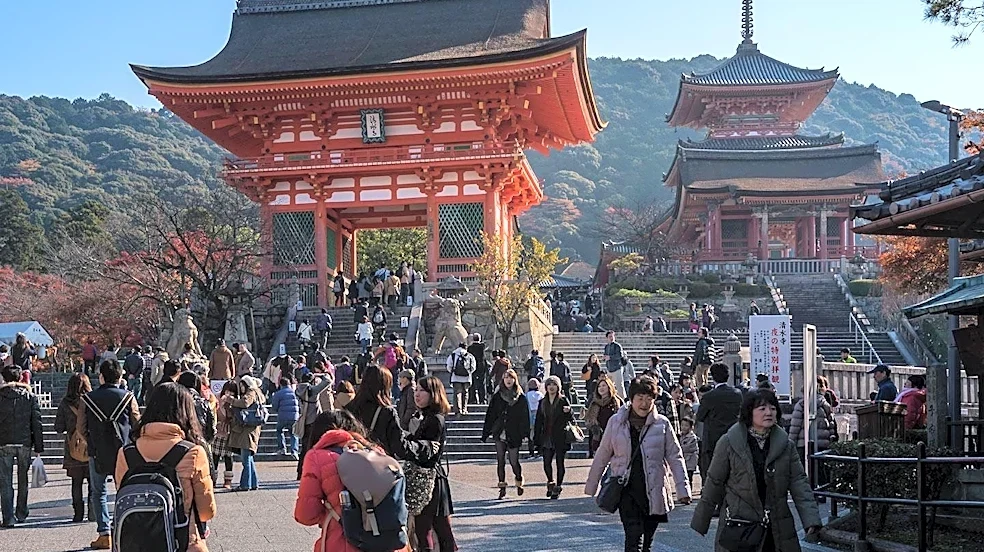
Kyoto City has significantly increased its accommodation tax, with the maximum nightly levy rising tenfold to 10,000 yen for stays costing 100,000 yen or more per person per night. This revision, approved in March, is projected to more than double the city's
accommodation tax revenue to approximately 13.2 billion yen this fiscal year. The move is a direct response to the challenges of overtourism, aiming to alleviate pressure on residents and public infrastructure caused by millions of visitors. The additional revenue is being allocated to various initiatives, including reducing litter around tourist attractions like Fushimi Inari Taisha, improving public transportation by changing bus boarding procedures, renovating subway station toilets, enhancing accessibility at key transit points, and supporting school excursions by offering cultural performances. Despite these efforts, questions remain about the tangible benefits for residents and the overall effectiveness of the spending.
Why It's Important?
The substantial increase in Kyoto's tourist tax and its allocation strategy highlight a growing global challenge faced by major tourist destinations: balancing the economic benefits of tourism with the quality of life for local residents. This initiative is important as it represents a significant attempt by a prominent international city to make tourism directly contribute to mitigating its negative impacts. The city's approach to using tax revenue for infrastructure improvements, waste management, and public transport upgrades could serve as a model for other cities grappling with similar issues. The focus on improving daily life for residents, alongside enhancing the visitor experience, underscores a shift towards sustainable tourism practices. The debate over whether these funds are genuinely creating new improvements or merely replacing existing budget allocations also brings to light the need for transparency and public discussion in managing such revenues.
What's Next?
Kyoto City plans to introduce front-door boarding and advance fare payment on its municipal buses in fiscal 2028 to improve passenger flow and reduce congestion, with preparatory work underway. The city will continue to use accommodation tax revenue to fund real-time congestion information systems for tourists, aiming to spread visitors across different locations and times. Public awareness campaigns regarding how the tax revenue is being spent are also anticipated, as current understanding among both tourists and residents is limited. An expert has suggested establishing forums for residents and stakeholders to discuss spending priorities, which could lead to more transparent and effective allocation of funds. The city also intends to place approximately 3 billion yen of the additional revenue into reserve funds for future financial needs and projects, indicating a long-term financial strategy alongside immediate problem-solving.
Beyond the Headlines
The implementation of a significantly higher tourist tax in Kyoto reflects a broader ethical and societal shift in how popular destinations view and manage tourism. It underscores the growing recognition that while tourism brings economic benefits, it also imposes costs on local communities, including environmental degradation, infrastructure strain, and disruption to daily life. The city's efforts to use tax revenue for projects that benefit both residents and visitors, such as improved public transport and accessibility, suggest a move towards a more equitable distribution of tourism's burdens and benefits. However, the ongoing challenge of ensuring that these funds lead to genuinely additional improvements, rather than simply replacing existing budget allocations, highlights the complex governance issues involved. This situation could trigger long-term discussions about the responsibilities of tourists and the role of local governments in preserving cultural heritage and quality of life in highly visited areas.