




What's Happening?
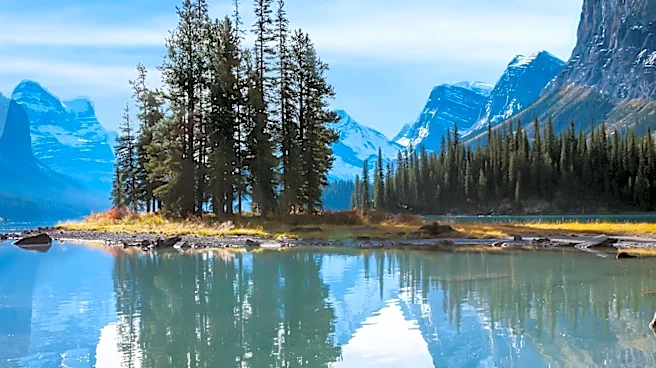
Glacier Bay National Park and Preserve, located west of Juneau in Southeast Alaska, operates as a premier scenic cruising destination rather than a traditional port. The park is a protected wilderness featuring monumental ice fields, rugged mountains,
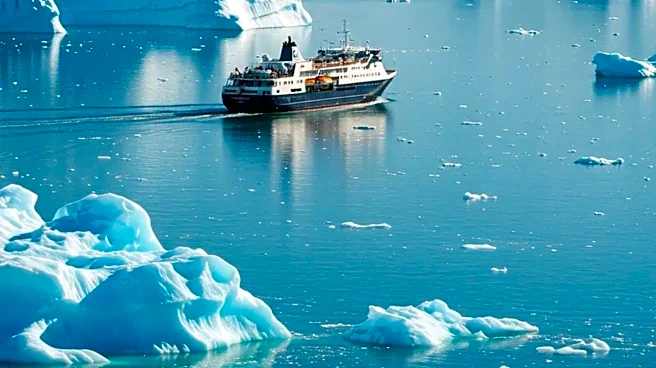
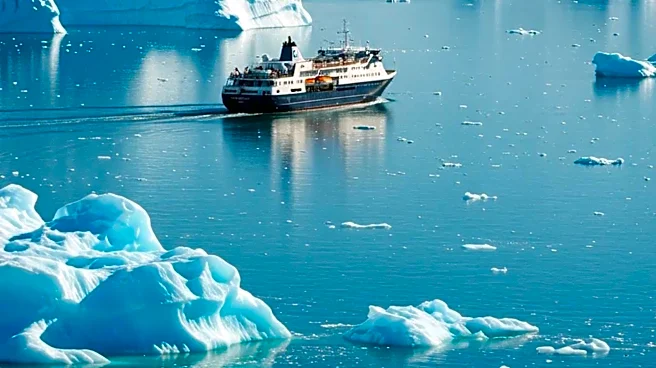
and deep fjords. Cruise ships enter these pristine waters under strict National Park Service vessel limits, navigating glacial fjords slowly. Onboard, park rangers provide live commentary and environmental guidance throughout the journey. The park's landscape includes over 1,000 glaciers, with seven active tidewater glaciers that calve icebergs into the sea. Most cruises extend to the Tarr Inlet in the northwest arm, pausing before the Margerie Glacier and Grand Pacific Glacier. Ships perform a 360-degree rotation near the ice faces to ensure all passengers have unobstructed panoramic views of the glacial retreat. Scenic cruising emphasizes wildlife viewing, glaciology, and photography, with frequent sightings of humpback whales, orcas, Steller sea lions, sea otters, harbor seals, bald eagles, brown bears, and mountain goats. Rangers also conduct interpretive talks and highlight nesting seabirds like tufted puffins.
Why It's Important?
Glacier Bay National Park's operational model highlights a significant approach to balancing tourism with environmental preservation in sensitive ecosystems. By restricting vessel limits and integrating park rangers directly into the cruise experience, the park ensures that visitors can appreciate its natural beauty while minimizing ecological impact. This model serves as a benchmark for sustainable tourism, demonstrating how protected areas can generate economic activity through tourism without compromising their core conservation objectives. The focus on education through ranger commentary enhances visitor understanding of glaciology, wildlife, and the importance of wilderness preservation, fostering a greater appreciation for natural environments. This approach also supports local economies indirectly by drawing tourists to the broader Alaskan region, who may then engage with other services and attractions in nearby communities like Juneau.
What's Next?
The current operational model for Glacier Bay National Park is expected to continue, maintaining its strict environmental regulations and vessel limits. Future developments may include ongoing research into glacial retreat and its impact on the ecosystem, which could further inform park management strategies. The park will likely continue to adapt its interpretive programs to reflect new scientific findings and conservation challenges. As interest in eco-tourism grows, the park may see continued demand for its unique cruise experiences, potentially leading to discussions about managing visitor numbers within existing limits to preserve the wilderness character. Collaboration between the National Park Service and cruise lines will remain crucial for ensuring compliance with environmental guidelines and enhancing the visitor experience.
Beyond the Headlines
The operational philosophy of Glacier Bay National Park extends beyond simple tourism management; it embodies a broader ethical commitment to stewardship of natural heritage. The integration of park rangers into the cruise experience transforms a leisure activity into an educational journey, subtly influencing public perception and fostering environmental advocacy among visitors. This model implicitly addresses the tension between human enjoyment of natural wonders and the imperative to protect them, suggesting a pathway for other ecologically sensitive destinations. The park's success in maintaining its pristine condition while accommodating tourism offers a compelling case study for global conservation efforts, demonstrating that economic benefits and ecological integrity are not mutually exclusive but can be harmoniously integrated through thoughtful policy and management.