
What's Happening?
Catherine Walker from the Woods Hole Oceanographic Institution has joined the NASA-selected Earth Dynamics Geodetic Explorer (EDGE) satellite mission. This initiative, led by the University of California,
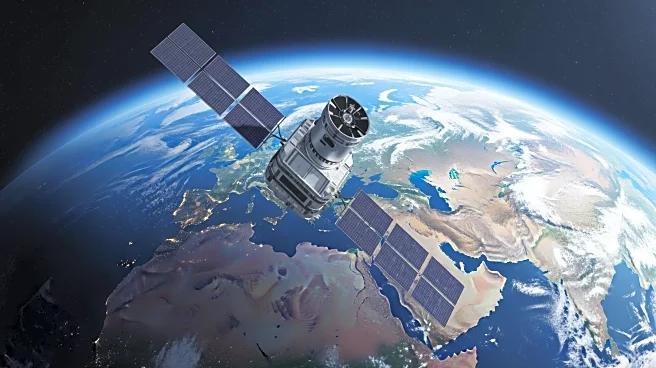
San Diego, is part of NASA's Earth System Explorers Program. EDGE aims to enhance the observation of Earth's surface in three dimensions, improving environmental change forecasting and supporting disaster preparedness. The mission will utilize a global satellite imaging LIDAR system to make precise measurements of Earth's surface, aiding in resource management and national security. The project is expected to launch by 2030, pending a confirmation review in 2027.
Why It's Important?
The EDGE mission represents a significant advancement in Earth observation technology, offering high-resolution data that can improve understanding of environmental changes. This capability is crucial for addressing global challenges such as climate change, resource management, and disaster response. By providing detailed insights into Earth's surface dynamics, EDGE can inform policy decisions and enhance resilience planning. The involvement of scientists like Catherine Walker underscores the collaborative nature of this mission, bringing together expertise from various fields to tackle complex environmental issues.
What's Next?
As EDGE progresses towards its anticipated launch, the mission will undergo further development and testing phases. The confirmation review in 2027 will assess its readiness and funding availability. Once operational, EDGE is expected to provide valuable data that can be used by scientists, policymakers, and planners to address environmental and security challenges. The mission's success could pave the way for future satellite technologies and collaborations, further enhancing our ability to monitor and respond to changes on Earth.