




What's Happening?
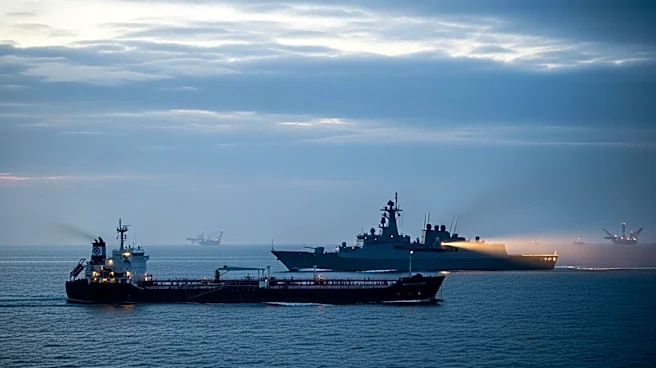
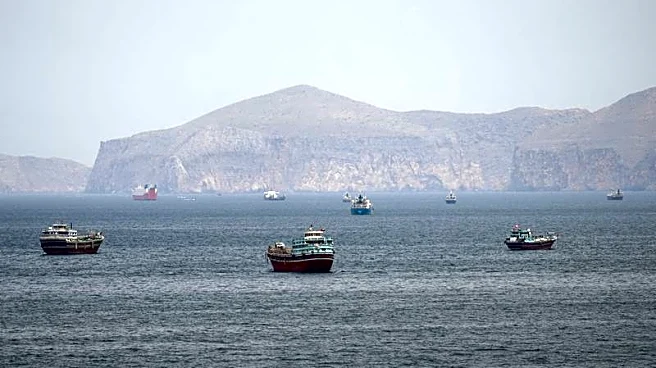
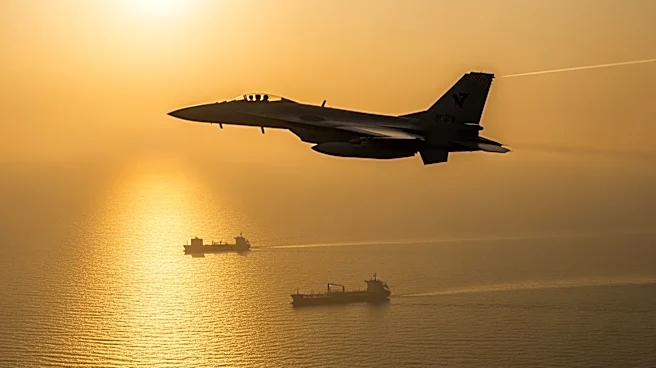
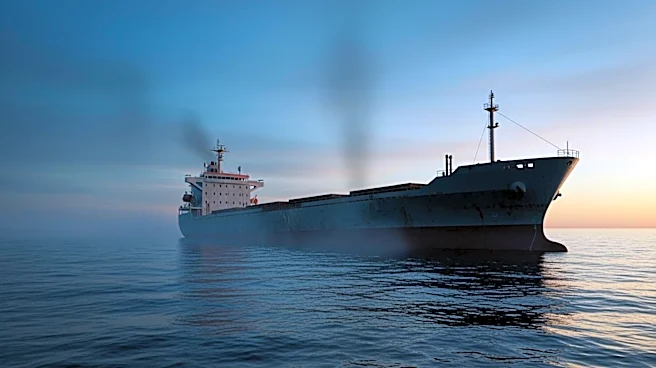
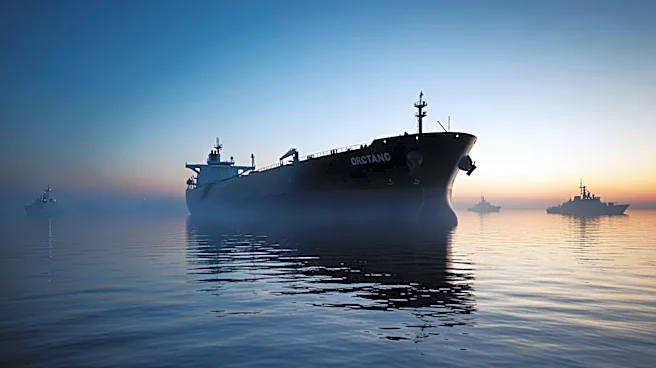
A US Navy F/A-18 Super Hornet, operating from the USS George H.W. Bush, disabled two Iranian-flagged oil tankers, the Sea Star III and the Sevda, in the Gulf of Oman. The action was part of the US military's enforcement of a blockade on vessels entering
or leaving Iran's ports, which has been in place since mid-April. The tankers were reportedly unladen and attempting to evade the blockade. The US Central Command (CENTCOM) released a video showing the precision strike on the tankers' smokestacks, which resulted in disabling the vessels without causing significant explosions. This incident marks the second and third Iranian ships targeted by US forces in recent days, following a similar action against the M/T Hasna.
Why It's Important?
The US military's actions underscore the ongoing tensions between the United States and Iran, particularly concerning Iran's oil exports, which are crucial to its economy. The blockade and subsequent military actions are part of broader US efforts to exert economic pressure on Iran. These developments could further strain US-Iran relations and impact global oil markets, potentially leading to increased volatility in oil prices. The precision strikes demonstrate the US military's capability to enforce blockades without escalating to full-scale conflict, but they also highlight the fragile nature of the current ceasefire and the potential for further military engagements.
What's Next?
The continuation of the blockade and military enforcement actions by the US could provoke further responses from Iran, potentially escalating tensions in the region. The international community may call for diplomatic interventions to prevent further military confrontations. Additionally, the US may face scrutiny over its blockade strategy and the potential humanitarian implications for Iran. Monitoring the situation will be crucial as both nations navigate the complex geopolitical landscape.