
![Daily Slop: 12 Feb 26 – New Commanders OC David Blough: “How do we get Terry [McLaurin] 10 targets a game?“](https://glance-mob.glance-cdn.com/public/cardpress/binge-magazine-card-generation/spaces/US/en/sb-nation/images/ppid_2cf3d240-image-177091266842313096.webp)
What's Happening?
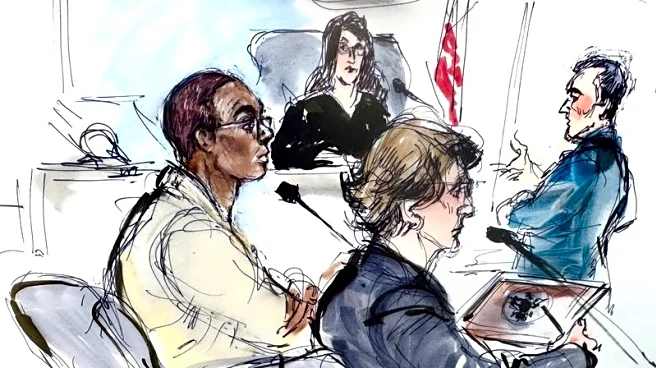
A federal judge in Minnesota has ordered that noncitizens detained at a federal ICE holding facility must be provided with accurate instructions on contacting lawyers and understanding their legal rights within an hour of their arrival. This order, issued
by Judge Nancy Brasel of the US District Court for the District of Minnesota, also mandates that detainees have access to private phone calls with lawyers at no cost. The decision partially grants a temporary restraining order requested by plaintiffs, aligning with similar rulings in Los Angeles, Chicago, and New York. The judge found that current practices at the facility, which include rapid transfers of detainees to other states and restricted access to legal counsel, likely violate the detainees' Fifth Amendment rights. The order will remain in effect until February 26, preventing the federal government from moving detainees from the Bishop Henry Whipple Federal Building during the first 72 hours of detention.
Why It's Important?
This ruling highlights ongoing legal battles over the rights of noncitizens detained by ICE, particularly concerning access to legal representation. The decision underscores the judiciary's role in checking federal immigration enforcement practices that may infringe on constitutional rights. The case reflects broader tensions between immigration judges and federal district judges regarding the mandatory detention policies under the Trump administration. The ruling could impact how ICE facilities nationwide handle detainee rights, potentially leading to policy changes that ensure better access to legal counsel. This development is significant for civil rights advocates and legal professionals who argue that adequate legal representation is crucial for detainees to challenge their detention conditions and the legality of their confinement.
What's Next?
The temporary restraining order will be in effect until February 26, during which time the federal government is barred from transferring detainees from the facility within the first 72 hours of detention. The case, The Advocates for Human Rights v. US Department of Homeland Security, will continue as authorities and legal representatives gather further evidence. The outcome of this case could influence future legal standards and practices at ICE facilities across the United States. Stakeholders, including civil rights organizations and immigration attorneys, are likely to monitor the proceedings closely, advocating for policies that protect detainee rights.