

What's Happening?
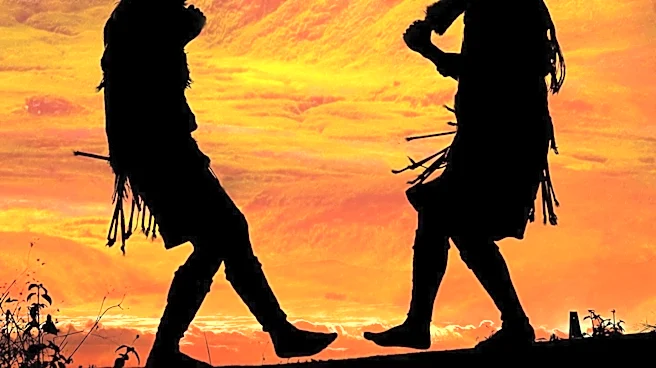
Following a religious dispute on the Wind River Indian Reservation, the Northern Arapaho Tribe has implemented a policy requiring ministries and charitable groups to obtain tribal authorization for activities on the reservation. This decision comes after
a Christian pastor's sermon was perceived as an attack on tribal religious practices. The tribe's leadership emphasizes the need for consultation and respect for tribal sovereignty, while the pastor maintains her right to preach her beliefs.
Why It's Important?
This development highlights the complex interplay between tribal sovereignty, religious freedom, and legal jurisdiction on Native American reservations. The policy could set a precedent for how tribes manage external religious and charitable activities, potentially affecting similar situations across the U.S. It raises questions about the extent of tribal authority over non-tribal entities and the application of constitutional rights within tribal lands. The situation underscores the ongoing challenges in balancing respect for tribal governance with individual rights.
What's Next?
The tribe has invited the involved church to discuss its activities and seek authorization, which could lead to negotiations or legal challenges. The outcome may influence future interactions between tribal governments and external organizations, as well as legal interpretations of tribal sovereignty and jurisdiction. Stakeholders, including legal experts and advocacy groups, will likely monitor the situation for its broader implications on tribal governance and religious freedom.