






What's Happening?
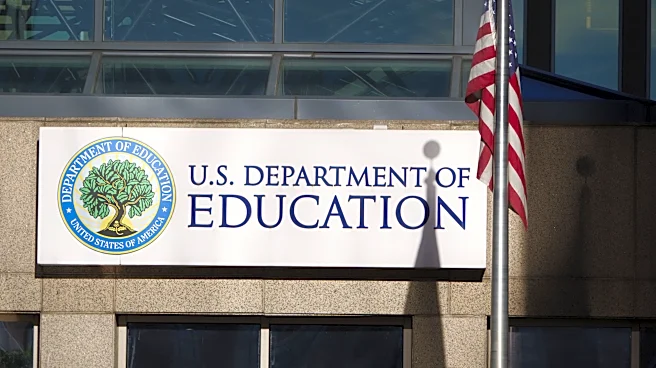
Federal Judge Tanya Chutkan has granted a preliminary injunction and a stay against the Department of Education (ED), preventing it from publishing the names of foreign donors reported by U.S. institutions under Section 117 of the Higher Education Act.
This decision comes after the Association of American Universities (AAU) filed a lawsuit in early October, challenging ED's plan to release these identities. The AAU argued that ED's decision exceeded its statutory authority and violated several legal provisions, including the First Amendment, the Administrative Procedure Act (APA), and the Trade Secret Act. Furthermore, the AAU cited years of assurances from ED that this information would remain private. Judge Chutkan's memorandum opinion indicated that the AAU is likely to succeed on the merits of its case, suggesting that the Higher Education Act itself does not permit ED to disclose this information. The preliminary injunction and stay will remain in effect as the case proceeds to full briefing before a final decision is issued.
Why It's Important?
This ruling is significant for U.S. higher education institutions, particularly those that receive foreign donations. The decision to block the release of donor identities upholds the privacy expectations that universities had based on previous assurances from the Department of Education. Had ED proceeded with its plan, it could have potentially deterred foreign philanthropic support for American universities, impacting research, academic programs, and international collaborations. The AAU's legal challenge highlights concerns about governmental overreach and the protection of sensitive institutional data. The court's finding that the Higher Education Act may not permit such disclosures could set a precedent for how federal agencies interpret and implement reporting requirements, emphasizing the need for clear statutory authority before publicizing certain types of information. This case also underscores the ongoing tension between transparency in foreign influence and the operational needs and privacy concerns of academic institutions.
What's Next?
With the preliminary injunction and stay in place, the lawsuit will now move to the full briefing stage. Both the Association of American Universities and the Department of Education will present their arguments in detail to Judge Chutkan. No specific dates have been set for these proceedings. The outcome of the full briefing and the judge's final decision will determine whether the Department of Education can ultimately publish the identities of foreign donors. Should the AAU prevail, it would solidify the privacy of foreign donor information for universities, potentially influencing future legislative discussions around Section 117 and similar reporting requirements. Conversely, if ED's position is upheld, universities would need to adjust to a new era of transparency regarding their foreign funding sources, which could lead to changes in how they solicit and manage international donations.
Beyond the Headlines
The legal battle over foreign donor identities touches upon broader themes of academic freedom, institutional autonomy, and national security concerns regarding foreign influence in U.S. higher education. While the government seeks greater transparency to monitor potential foreign interference, universities often argue that such disclosures can stifle legitimate international engagement and philanthropic support, which are crucial for global research and educational initiatives. The case also raises questions about the balance between public interest in transparency and the protection of private information, particularly when it involves financial contributions. The court's interpretation of the Higher Education Act in this context could have long-term implications for how federal agencies regulate and oversee the financial dealings of non-profit organizations, potentially influencing future policy debates on data privacy and governmental authority in various sectors beyond education.