









What's Happening?
The Redwood Coast Energy Authority (RCEA) has expanded its Community Choice Energy (CCE) program, which allows cities and counties to independently source and deliver electricity. As of 2024, California has 25 operational CCE programs, collectively serving
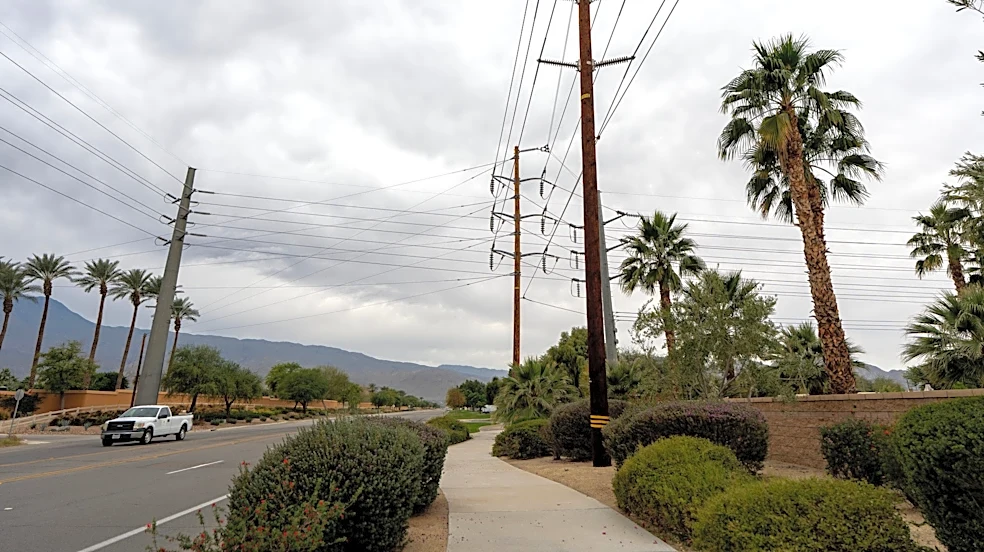
over 14 million customers. RCEA became a CCE provider in 2017, taking responsibility for purchasing and delivering cleaner, renewable electricity to its customers. Under this model, RCEA procures power from clean sources like wind and solar, while PG&E continues to handle the delivery through its existing infrastructure, including maintenance and billing. Customers are automatically enrolled in RCEA’s program but retain the option to opt out. RCEA, unlike investor-owned utilities such as PG&E, operates as a public agency focused on community benefits rather than shareholder profits. The program also supports energy efficiency initiatives, electric vehicle adoption, and local renewable energy projects.
Why It's Important?
The expansion of CCE programs, exemplified by RCEA, signifies a growing trend in California towards localized control over energy choices and a greater emphasis on renewable energy sources. This model empowers communities to prioritize clean energy and set rates that align with local needs, potentially leading to more sustainable and cost-effective energy solutions. For consumers, it offers an alternative to traditional utility providers, with the benefit of cleaner energy options and local investment in renewable projects. The shift from investor-owned utilities to public agencies like RCEA could foster greater transparency and accountability in energy provision. This development also highlights the increasing demand for and feasibility of integrating renewable energy into the grid, influencing energy policy and infrastructure development across the state and potentially serving as a model for other regions.
What's Next?
The continued growth of CCE programs in California suggests a future where more communities may adopt similar models to gain local control over their energy supply and accelerate the transition to renewable sources. RCEA will likely continue to invest in local renewable energy projects and expand its support for energy efficiency and electric vehicle programs. The success and expansion of CCEs could prompt other states to explore similar frameworks, potentially leading to a broader decentralization of energy procurement and a faster adoption of clean energy technologies nationwide. The relationship between CCEs and traditional utilities like PG&E will also continue to evolve, with CCEs focusing on generation and utilities on transmission and distribution, necessitating ongoing collaboration and regulatory adjustments.
Beyond the Headlines
The rise of Community Choice Energy programs like RCEA's represents a significant shift in the energy landscape, moving power from large, centralized corporations to local communities. This decentralization has ethical implications, as it allows communities to align their energy choices with their values, such as environmental sustainability and local economic development. It also raises questions about energy democracy and the extent to which citizens can directly influence their energy future. The model challenges the traditional utility structure, potentially fostering innovation in renewable energy deployment and energy management at a local level. This could lead to a more resilient and equitable energy system, but also requires careful planning and regulatory oversight to ensure grid stability and fair competition.