




What's Happening?
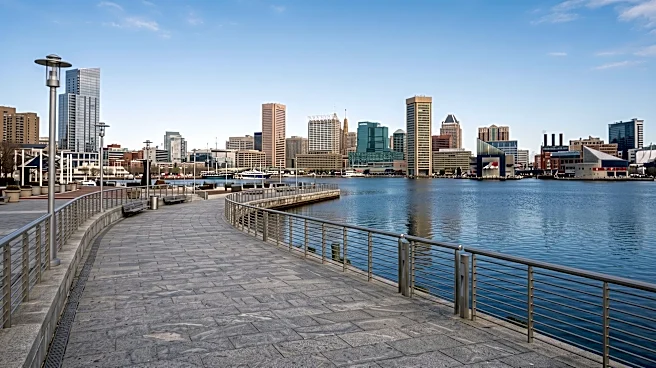
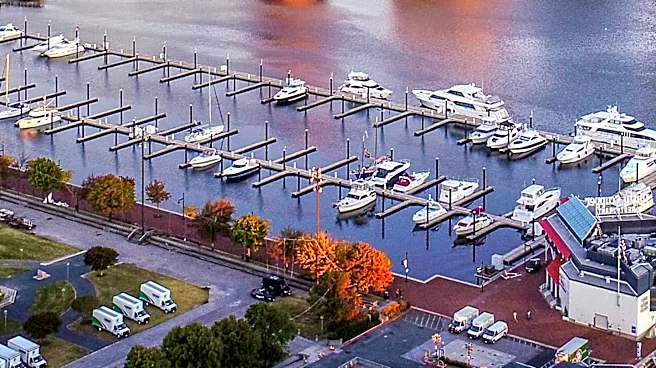
Attorneys representing several Baltimore residents have filed a request for a preliminary injunction to stop the redevelopment of Harborplace. The residents argue that the proposed project could permanently alter public spaces, specifically mentioning
the Inner Harbor waterfront promenade. This legal action aims to prevent the project from moving forward while the court considers the broader implications of the development. The filing highlights concerns that the redevelopment might infringe upon the public's access and use of these significant urban areas. The residents' legal team contends that the changes envisioned for Harborplace are substantial enough to warrant judicial intervention to protect existing public amenities and the character of the Inner Harbor.
Why It's Important?
This legal challenge is important because it underscores a growing tension between urban development initiatives and public access to shared spaces. The Harborplace redevelopment is a significant project for Baltimore, intended to revitalize a key economic and recreational hub. However, the residents' lawsuit suggests that such revitalization efforts must also consider the preservation of public amenities and the potential for irreversible changes to the urban landscape. The outcome of this injunction request could set a precedent for how future large-scale urban developments are scrutinized, particularly regarding their impact on public spaces and community interests. It highlights the ongoing debate about balancing economic growth with the protection of public good and historical character in major U.S. cities.
What's Next?
The next step involves the court's review of the preliminary injunction request. A judge will determine whether to grant the injunction, which would temporarily halt the Harborplace redevelopment project. If the injunction is granted, it would provide time for a more thorough legal examination of the residents' claims regarding the alteration of public spaces. Conversely, if the injunction is denied, the developers may proceed with their plans, although the underlying legal challenge regarding the project's impact on public spaces could still continue. This decision will be closely watched by both the developers and community groups, as it will significantly influence the immediate future of the Harborplace redevelopment.
Beyond the Headlines
The legal battle over Harborplace extends beyond the immediate development plans, touching upon fundamental questions of urban planning, public trust, and the definition of public space in a modern city. It raises ethical considerations about who benefits from large-scale urban projects and who bears the cost, particularly when those costs involve the potential loss or alteration of communal areas. The case could also influence cultural perceptions of Baltimore's Inner Harbor, a landmark that holds significant historical and social value for residents. The outcome may prompt broader discussions about community engagement in urban development and the legal frameworks protecting public access to waterfronts and other shared civic assets.