




What's Happening?
Voters in several states, including North Dakota, South Dakota, and Utah, will soon decide on ballot measures that could increase the voting thresholds required to pass state constitutional amendments. These measures propose raising the approval requirement
from a simple majority to 60% of the vote, with Utah's proposal specifically targeting tax-related amendments. Proponents argue that the current simple majority makes it too easy to amend state constitutions, while opponents, including voting rights advocates, warn that such changes could undermine direct democracy and empower minority views disproportionately. The debate highlights a broader trend in Republican-led states to impose stricter limits on the initiative process, which has historically allowed citizens to enact policy changes directly.
Why It's Important?
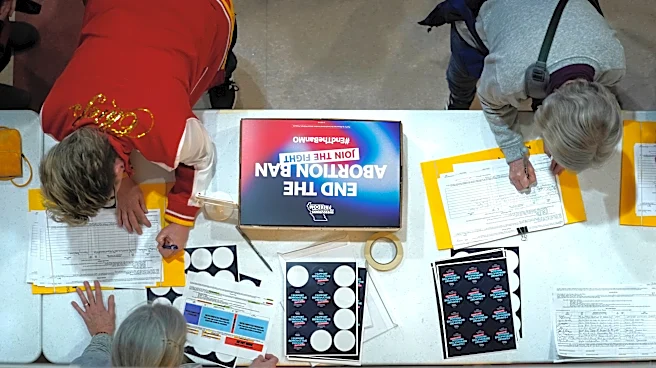
The proposed changes to voting thresholds for constitutional amendments could significantly impact how policy changes are enacted at the state level. By making it harder to pass amendments, these measures could limit the ability of citizens to influence state constitutions directly, potentially stifling progressive policies on issues like reproductive rights and minimum wage increases. This shift could consolidate power among state lawmakers, reducing the influence of citizen-led initiatives. The outcome of these votes could set a precedent for other states, affecting the balance of power between voters and legislators and shaping the future of state-level governance.
What's Next?
As these measures are put to a vote, the results could lead to significant changes in how state constitutions are amended. If passed, the higher thresholds could deter future citizen-led initiatives, prompting advocates to seek alternative methods for policy change. The debate may also influence upcoming elections, as voters weigh the implications of these measures on their ability to enact change. Additionally, the outcome could inspire similar proposals in other states, further altering the landscape of direct democracy in the U.S.