




What's Happening?
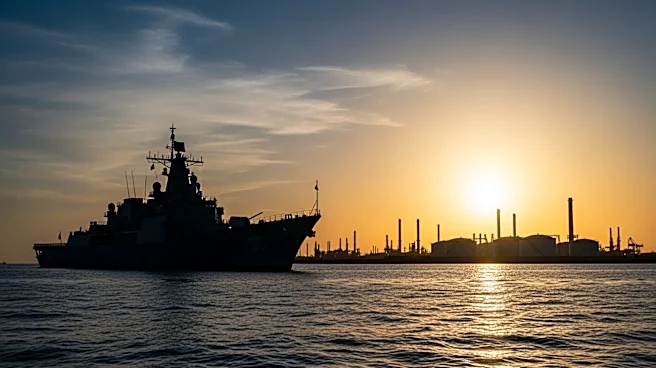
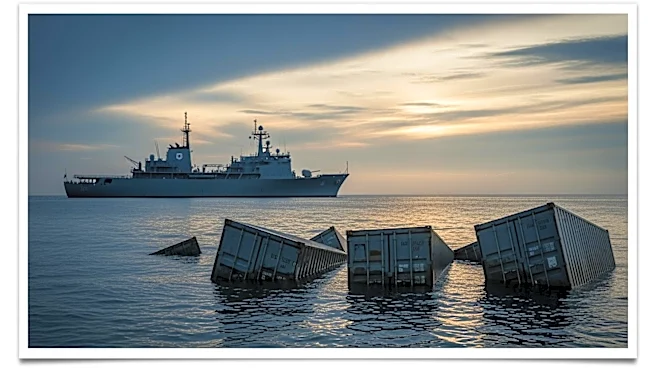
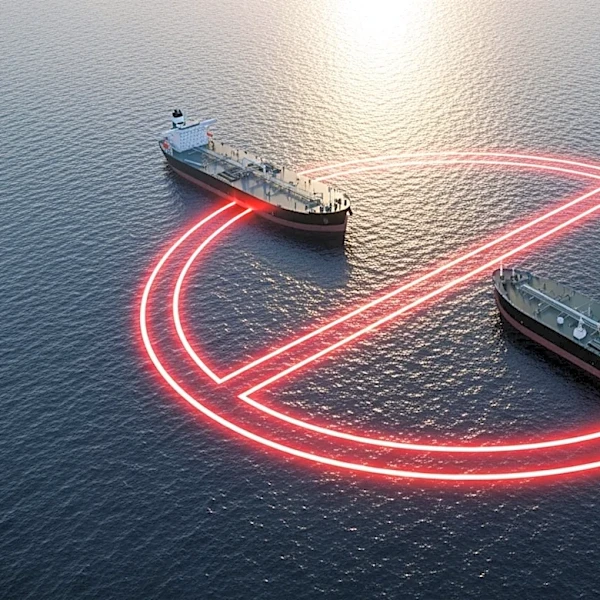
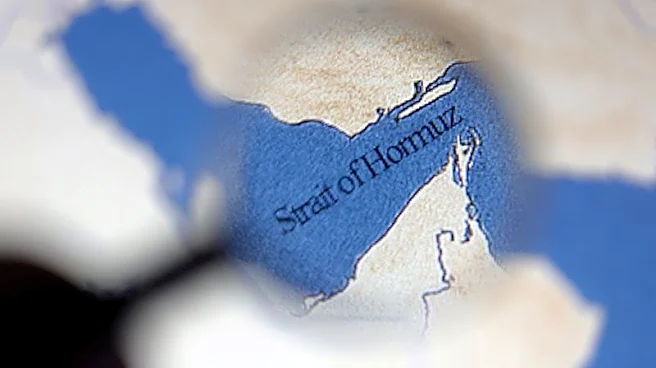
Oil prices have surged by over 7% to reach $102 a barrel following the U.S. decision to impose a blockade on Iranian shipping through the Strait of Hormuz. This move comes after the collapse of peace talks over the weekend, leaving the fragile ceasefire
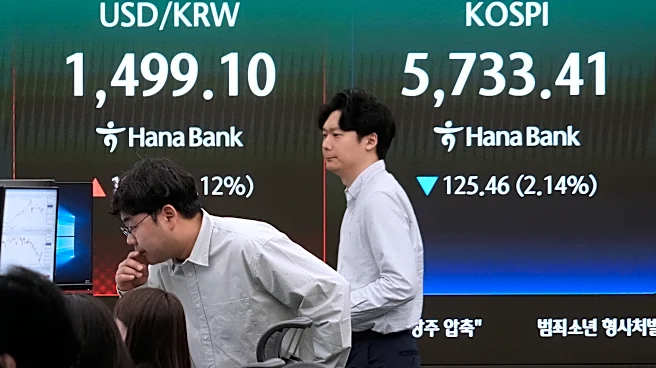
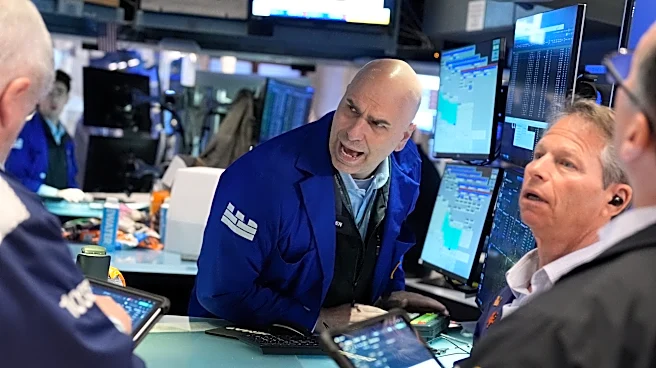
in jeopardy and continuing to disrupt Middle East energy exports. The blockade aims to exert pressure on Tehran, potentially affecting up to 2 million barrels of Iranian-linked oil flows. The financial markets have reacted with a 'risk-off' approach, as seen in the decline of stock indices like Europe's STOXX 600 and S&P 500 futures. Additionally, U.S. Treasury yields have risen, reflecting increased market uncertainty.
Why It's Important?
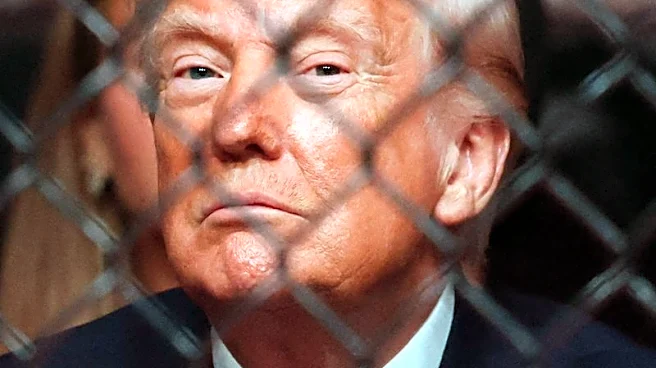
The blockade and subsequent rise in oil prices have significant implications for global markets and U.S. domestic politics. Higher oil prices can lead to increased inflation, affecting consumer prices and economic stability. The situation may also influence central banks' decisions on interest rates, with potential rate hikes to counter inflationary pressures. For the U.S., President Trump has acknowledged the possibility of sustained high oil and gasoline prices impacting the upcoming midterm elections, highlighting the political stakes involved. The blockade could further escalate tensions in the region, with potential strikes on energy infrastructure posing risks to global energy supply.
What's Next?
The U.S. administration, led by President Trump, is reportedly considering limited strikes on Iran, which could further destabilize the region and impact global energy markets. The ongoing situation may prompt reactions from international stakeholders, including potential diplomatic efforts to resolve the conflict. Market participants will likely continue to monitor developments closely, adjusting their strategies in response to geopolitical risks and economic indicators.
Beyond the Headlines
The blockade and its consequences underscore the geopolitical complexities of energy trade and the strategic importance of the Strait of Hormuz. The situation raises ethical questions about the use of economic sanctions and military interventions as tools of foreign policy. Long-term shifts in energy sourcing and consumption patterns may emerge as countries seek to mitigate risks associated with reliance on Middle Eastern oil.