



What's Happening?
Carlos Ndanyengondunge, the provincial director of agriculture for Cunene, Angola, believes that the anticipated lack of rain in central and southern Angola will have fewer consequences than in previous years. This optimistic outlook is attributed to significant
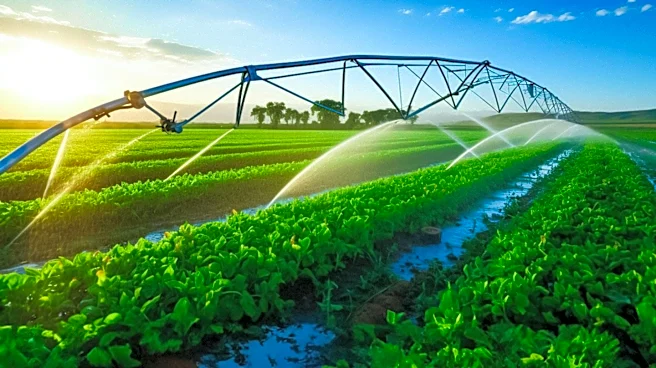
government investments in water infrastructure, particularly the Cafu Canal, which became operational in 2022. Ndanyengondunge acknowledged that the effects of El Niño, which typically cause drought in southern Angola, are not favorable. However, he stated that the measures taken by the government, including available water resources and dams, will minimize the impact. The Cafu Canal has already facilitated the production of over 22,000 tons of vegetables, grains, and other crops by the local community. While the Famine Early Warning Systems Network (Fews Net) predicts that 1.5 to 1.99 million Angolans will require humanitarian food assistance between November 2026 and January 2027, Ndanyengondunge emphasized efforts to manage the situation and prevent widespread negativity.
Why It's Important?
This development is important as it highlights a proactive approach by a regional government to mitigate the effects of climate-induced challenges on food security. The investment in infrastructure like the Cafu Canal demonstrates a commitment to building resilience against recurring droughts, which have historically devastated agricultural communities. If successful, this model could serve as a case study for other regions facing similar environmental threats, showcasing how strategic infrastructure projects can safeguard livelihoods and reduce reliance on external humanitarian aid. The Fews Net report, however, underscores the persistent vulnerability of a significant portion of the Angolan population, indicating that while progress is being made, the threat of food insecurity remains substantial. This situation also reflects the broader global challenge of adapting to climate change and ensuring sustainable food production in affected areas.
What's Next?
The effectiveness of the government's investments will be closely monitored, particularly during the period between November 2026 and January 2027, when Fews Net predicts a high need for humanitarian food assistance. The provincial director's emphasis on irrigated crops and the introduction of new, non-traditional crops like cassava, wheat, sugarcane, and tomatoes suggests a shift towards more diversified and resilient agricultural practices. Continued efforts will likely focus on expanding access to water for communities further from the canals and encouraging sustainable farming methods. The long-term success will depend on the maintenance of the new infrastructure, ongoing support for local farmers, and the ability to adapt to future climate variability. International aid organizations will also be observing the situation to assess the need for continued support and collaboration with local authorities.
Beyond the Headlines
The situation in Cunene province illustrates the complex interplay between climate change, infrastructure development, and community resilience. The director's acknowledgment that the available water 'will not be enough for everyone' and that the problem is not entirely solved due to the scattered living patterns of pastoral communities reveals deeper socio-cultural challenges. The traditional nomadic lifestyle of some populations, focused on animal breeding, presents a unique hurdle in implementing centralized agricultural solutions. This highlights the need for culturally sensitive and adaptable strategies that integrate traditional practices with modern agricultural techniques. The success of the Cafu Canal, therefore, is not just about water distribution but also about fostering community engagement and behavioral changes to ensure long-term food security and sustainable development in a region historically prone to drought.