




What's Happening?
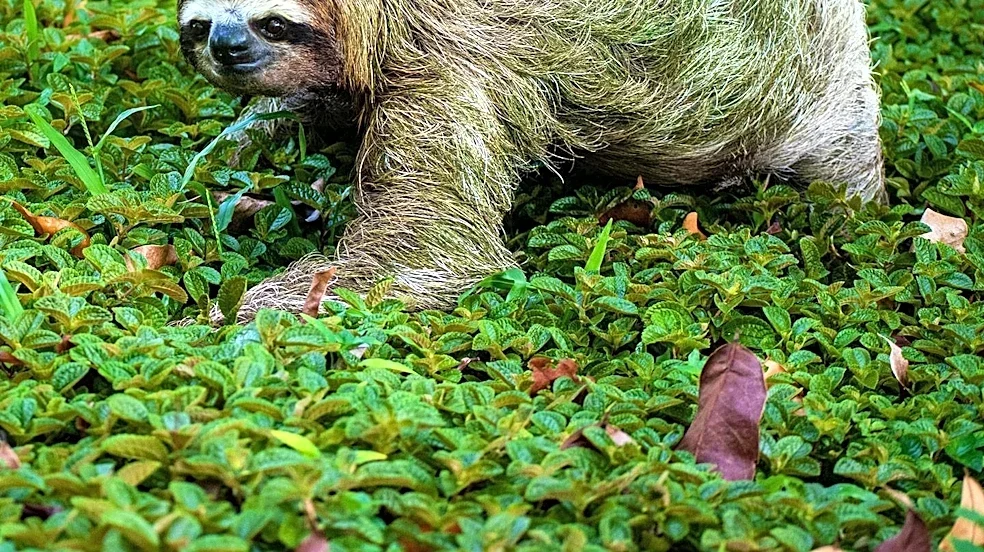
Representatives Maxwell Alejandro Frost (D-Fla.) and Laurel Lee (R-Fla.) have collaborated to introduce the SLOTHS Act, a bipartisan legislative effort aimed at fully banning the import of sloths into the United States. The proposed act seeks to address
concerns related to animal welfare, conservation, and potentially the illegal wildlife trade. While the specific details of the bill's provisions are not fully outlined in the source, the primary objective is to halt the entry of sloths into the country. This joint effort by a Democrat and a Republican from Florida highlights a shared interest in animal protection and environmental conservation, transcending typical partisan divides.
Why It's Important?
The introduction of the SLOTHS Act is important for several reasons. Firstly, it underscores a growing awareness and concern for animal welfare and the ethical treatment of wildlife, particularly exotic species. The illegal wildlife trade poses significant threats to biodiversity and can introduce diseases, making such legislation crucial for conservation efforts. Secondly, the bipartisan nature of this bill, with Representatives Frost and Lee working together, demonstrates that issues of animal protection can unite lawmakers across the political spectrum. This collaboration could set a precedent for future bipartisan efforts on environmental and animal welfare legislation. Finally, for Florida, a state with unique ecosystems and a history of issues related to invasive species, controlling the import of exotic animals is particularly relevant to protecting its native wildlife and natural habitats.
What's Next?
The SLOTHS Act will now proceed through the legislative process, which typically involves committee review, potential amendments, and votes in both the House of Representatives and the Senate. Its bipartisan sponsorship may give it a better chance of advancing, but passage is not guaranteed. Advocates for animal welfare and conservation groups will likely support the bill, while industries or individuals involved in the exotic pet trade might oppose it. If passed, the act would significantly impact the import regulations for sloths, potentially leading to stricter controls on other exotic animals as well. The success of this bill could also encourage other states or the federal government to consider similar bans on the import of various wildlife species.
Beyond the Headlines
Beyond the immediate goal of banning sloth imports, this initiative touches upon broader ethical and environmental considerations. It highlights the complex relationship between humans and wildlife, particularly the ethical implications of keeping exotic animals as pets or for commercial purposes. The act could spark a wider debate about the responsibilities of a developed nation in global conservation efforts and in combating the illegal wildlife trade. Furthermore, it could influence public perception regarding exotic animal ownership and potentially lead to a shift in cultural attitudes towards wildlife. The legislation also serves as a reminder of the interconnectedness of global ecosystems and the impact of human activities on species far beyond national borders.