









What's Happening?
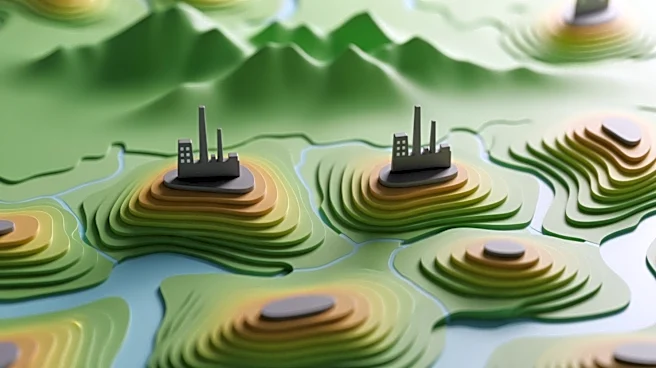
Researchers at PSE Healthy Energy, in collaboration with academic partners, have developed the Refinery Risk Map, an interactive tool designed to estimate and visualize the health impacts of emissions from nearly all oil refineries in the contiguous United
States. This map specifically includes refineries located in the Mountain West states such as Utah, Wyoming, Montana, Colorado, Nevada, and New Mexico. The tool provides detailed information on emissions, estimated health impacts, and the demographics of nearby populations. It also highlights vulnerable facilities like schools and hospitals that may be affected by air pollution. The map focuses on fine particulate matter (PM 2.5), a pollutant linked to respiratory and cardiovascular diseases. The tool is intended for use by residents, policymakers, and regulators to identify pollution hotspots and prioritize actions at facilities impacting the most people. The research indicates that Asian, Black, and Latino populations disproportionately experience refinery-related health impacts compared to their share of the U.S. population.
Why It's Important?
The introduction of the Refinery Risk Map is significant as it provides a data-driven approach to understanding the health impacts of oil refinery emissions, which have long been a concern for communities living nearby. By offering a visual representation of pollution and its potential health effects, the map empowers residents with information that can support advocacy for cleaner air and better health outcomes. For policymakers and regulators, the tool offers a means to identify and address pollution hotspots, potentially leading to more targeted and effective environmental policies. The map's findings on the disproportionate impact on minority communities highlight ongoing environmental justice issues, emphasizing the need for equitable policy interventions. This tool could influence future regulatory decisions and public health initiatives aimed at reducing air pollution and its associated health risks.
What's Next?
The availability of the Refinery Risk Map may prompt increased advocacy and policy discussions around air quality and public health in regions affected by refinery emissions. Policymakers and environmental regulators might use the data to implement stricter emissions controls or to develop targeted interventions in identified pollution hotspots. Community groups and environmental organizations could leverage the map to push for greater transparency and accountability from the oil industry. Additionally, the map's findings could lead to further research into the health impacts of industrial pollution and the development of more comprehensive strategies to protect vulnerable populations. As awareness grows, there may be increased pressure on refineries to adopt cleaner technologies and practices to mitigate their environmental impact.
Beyond the Headlines
The development of the Refinery Risk Map underscores the growing importance of data transparency and accessibility in addressing environmental health issues. By making complex data understandable and actionable, the map represents a shift towards more informed public engagement in environmental decision-making. It also highlights the role of technology in bridging the gap between scientific research and community advocacy. The map's focus on environmental justice issues aligns with broader societal movements calling for equity and accountability in environmental policies. As such, it could serve as a model for similar tools in other sectors, promoting a more inclusive approach to addressing public health and environmental challenges.