



What's Happening?
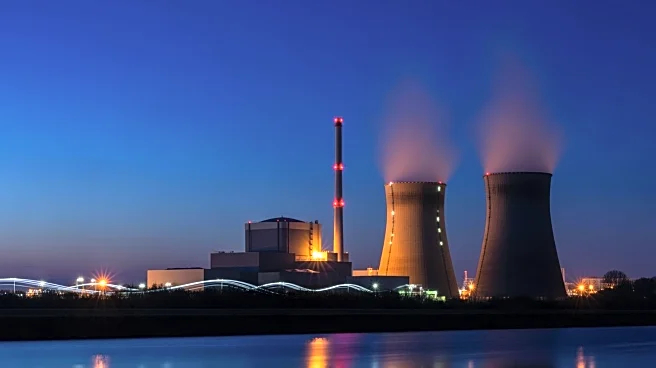
Japan is preparing to restart the world's largest nuclear reactor in Niigata Prefecture, marking a significant step in the country's energy policy. This will be the first restart by Tokyo Electric Power Company (TEPCO) since the 2011 Fukushima disaster,
which led to the shutdown of all 54 reactors nationwide. The move comes amid rising electricity costs and a push for energy self-sufficiency. Public support for nuclear energy has been increasing due to stricter safety regulations. However, the restart has faced challenges, including a recent report of 'wrongdoing' by Chubu Electric, which allegedly submitted inaccurate seismic data during a safety review.
Why It's Important?
The restart of Japan's nuclear reactors is crucial for the country's energy strategy, aiming to reduce reliance on imported fossil fuels and achieve energy self-sufficiency. This decision could influence global energy markets and nuclear energy policies, especially in countries considering nuclear power as a sustainable energy source. The move also highlights the ongoing tension between energy needs and safety concerns, as Japan continues to grapple with the legacy of the Fukushima disaster. The outcome of this restart could impact public perception and policy decisions regarding nuclear energy worldwide.
What's Next?
Japan plans to generate about 20% of its electricity from nuclear power by 2030, down from 30% in 2011. The government will need to address public concerns and ensure rigorous safety standards to gain broader acceptance. The success or failure of this restart could influence future decisions on nuclear energy in Japan and potentially set a precedent for other nations. Ongoing monitoring and transparent communication will be essential to maintain public trust and support.