









What's Happening?
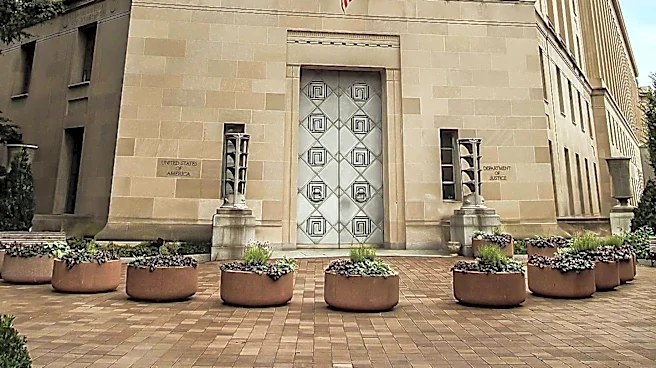
The U.S. Department of Justice (DOJ) has initiated a nationwide investigation, dubbed 'Operation Ghostbusters,' to target a significant fraud scheme involving 'ghost students.' This scheme involves fraudsters using stolen identities, often acquired from
the dark web, to apply for college admissions and federal student aid, including loans and grants. Colin McDonald of the Department of Justice described it as a major fraud targeting federal student aid, low-income Americans, and taxpayers. The Justice Department has already filed charges against five individuals. The stolen funds are often quickly moved overseas, with Kenya being cited as a destination. Community colleges have been particularly affected, with nearly one-third of California community college applications in 2024 flagged as fraudulent. Despite new safeguards like identity verification for college applications and FAFSA, the problem persists, leading some online instructors to teach in-person only due to the difficulty of distinguishing legitimate students from fraudsters.
Why It's Important?
This fraud scheme poses a significant threat to the integrity of the U.S. federal student aid system and the financial stability of educational institutions. The diversion of federal funds through fraudulent means not only costs taxpayers millions but also deprives legitimate students of resources and opportunities. The use of stolen identities from the dark web highlights the sophisticated nature of these criminal operations, indicating a broader cybersecurity challenge. For colleges and universities, especially community colleges, the influx of 'ghost students' strains administrative resources, distorts enrollment figures, and can demoralize faculty who find themselves teaching non-existent students. The need for enhanced identity verification measures underscores the vulnerability of online educational platforms to such exploitation, potentially leading to more stringent application processes that could inadvertently create barriers for genuine applicants.
What's Next?
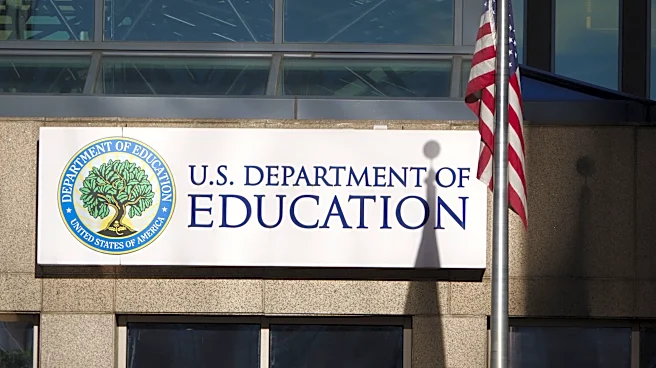
As 'Operation Ghostbusters' continues, federal investigators are expected to pursue more charges against individuals involved in these fraud schemes. Educational institutions, in collaboration with the U.S. Department of Education, will likely implement further advanced identity verification measures for both college applications and federal student aid processes. The Department of Education has already reported over $600 million in savings within six months due to new identity verification measures for FAFSA applicants, suggesting that these efforts will be expanded. Colleges may also explore new technologies and protocols to better authenticate online students and prevent fraudulent enrollments. The ongoing challenge for educators will be to balance robust security measures with accessibility for legitimate students, particularly in online learning environments. Continued vigilance and adaptation by both law enforcement and educational bodies will be crucial to mitigate this evolving threat.
Beyond the Headlines
The 'ghost student' fraud scheme reveals deeper systemic vulnerabilities within the digital infrastructure of higher education and federal aid programs. The reliance on online applications and remote learning, while offering accessibility, has inadvertently created new avenues for sophisticated identity theft and financial fraud. This situation raises ethical questions about the balance between convenience and security in digital services, and the responsibility of platforms to protect user data. Furthermore, the demoralization reported by instructors highlights a less visible impact on the quality of education and the morale of teaching staff, potentially leading to a decline in the effectiveness of online learning. The long-term implications could include a re-evaluation of online education models, increased investment in AI-driven fraud detection, and a broader societal discussion on digital identity protection and the consequences of data breaches.