








What's Happening?
The Alaska Industrial Development and Export Authority (AIDEA) has issued $25,000 assistance checks to three remote villages in Northwest Alaska: Shungnak, Ambler, and Kobuk. This aid comes as these communities face exceptionally high fuel prices, with
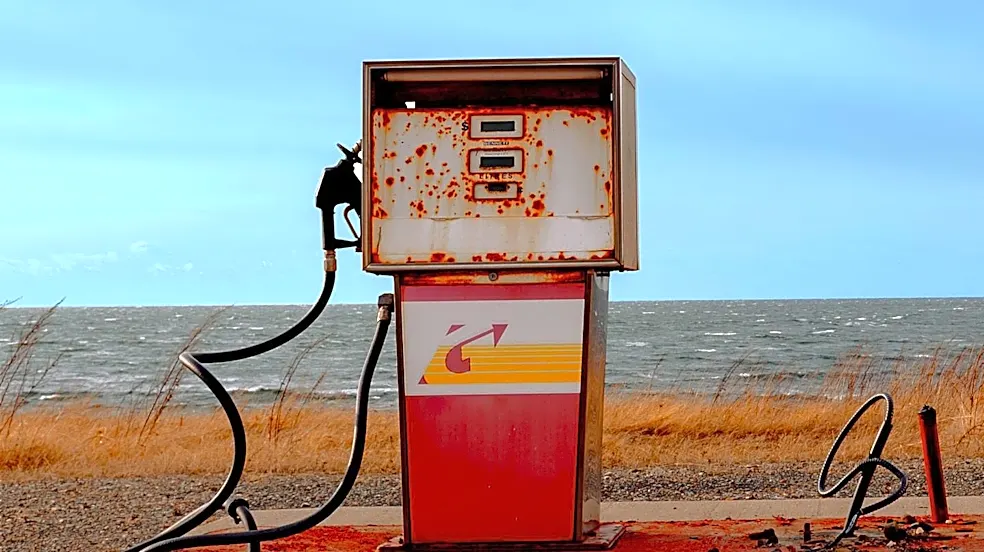
gas reaching over $25 per gallon in some areas. The funds were distributed to help residents cope with the increased costs, which have impacted daily life, including essential activities like hunting and fishing. For instance, Shungnak used its allocation to provide 42 gallons of gas or heating fuel to each household, while Kobuk divided its assistance among 33 households, offering credits for approximately $750 in fuel. The assistance from AIDEA, a state-owned economic development corporation, has drawn attention due to its narrow scope and broader political implications, particularly given AIDEA's role in developing a controversial mining road in the same region.
Why It's Important?
This action by AIDEA highlights the severe economic challenges faced by remote Alaskan communities due to escalating fuel costs. The high prices not only strain household budgets but also disrupt traditional subsistence activities, which are crucial for food security and cultural practices in these regions. The assistance, while welcomed by recipients, also underscores the complex relationship between state economic development initiatives and local community needs. AIDEA is actively pursuing the development of a $1.3 billion mining road in the area, a project that has faced opposition from conservation groups and some local residents. The provision of relief checks by an agency with a vested interest in the region's development raises questions about potential political motivations and the equitable distribution of state aid, especially as other villages in Alaska are also experiencing similarly high fuel prices without receiving direct assistance from AIDEA.
What's Next?
The city government of Ambler is scheduled to discuss how to allocate its $25,000 assistance. While the immediate impact of the relief checks is positive for the recipient villages, the broader issue of high fuel costs across Alaska remains. Lawmakers previously took steps to mitigate the impact of higher fuel prices, including support for school districts and supplemental oil-wealth payments to residents. However, communities beyond Kobuk, Ambler, and Shungnak continue to face significant challenges. The political implications of AIDEA's targeted assistance are likely to continue to be debated, particularly in the context of the proposed mining road and the agency's statewide mandate. Other villages, such as Noatak, which faces comparable fuel prices but has not received AIDEA assistance, may seek similar aid or question the criteria for distribution.
Beyond the Headlines
The targeted fuel assistance by AIDEA delves into the intricate balance between economic development, environmental concerns, and social welfare in remote Alaskan communities. The agency's involvement in both providing relief and spearheading a major mining road project in the same region creates a complex dynamic. This situation highlights the ethical considerations when a state entity with a specific development agenda also acts as a provider of social assistance. It raises questions about potential conflicts of interest and the perception of 'buying goodwill' among local populations who might be affected by future industrial projects. The long-term implications could include increased scrutiny of AIDEA's funding decisions and a broader discussion about how state resources are allocated to address immediate crises versus long-term development goals, especially in areas rich in natural resources that are eyed for extraction.