


What's Happening?
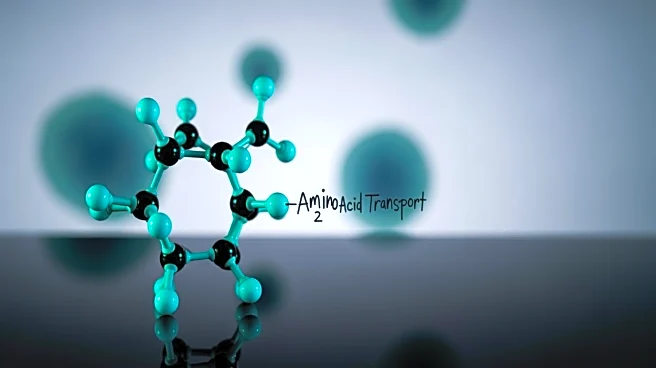
Recent research has identified the SLC6A14 glutamine transporter as a key player in promoting drug resistance and immune evasion in pancreatic cancer. The study, published in Nature, highlights how SLC6A14-mediated glutamine uptake activates the SYTL4-CXCL8
axis, contributing to resistance against gemcitabine, a common chemotherapy drug. The research involved various experimental approaches, including the use of human tissue samples, cell lines, and animal models, to explore the molecular mechanisms underlying this resistance. The findings suggest that targeting SLC6A14 could potentially enhance the effectiveness of gemcitabine and improve treatment outcomes for patients with pancreatic cancer.
Why It's Important?
The discovery of SLC6A14's role in drug resistance is significant as it opens new avenues for therapeutic interventions in pancreatic cancer, a disease known for its poor prognosis and limited treatment options. By understanding the molecular pathways that contribute to chemotherapy resistance, researchers can develop targeted therapies that may improve survival rates. This research not only provides insights into the biology of pancreatic cancer but also underscores the importance of personalized medicine approaches in oncology. The potential to inhibit SLC6A14 could lead to more effective treatment regimens, reducing the burden of this aggressive cancer on patients and healthcare systems.
What's Next?
Future research will likely focus on developing inhibitors of SLC6A14 and testing their efficacy in combination with gemcitabine in clinical trials. Additionally, further studies are needed to explore the broader implications of SLC6A14 inhibition on the tumor microenvironment and immune response. Researchers may also investigate the role of SLC6A14 in other cancer types, potentially expanding the therapeutic applications of this discovery. Collaboration between academic institutions and pharmaceutical companies could accelerate the development of new drugs targeting this transporter, ultimately leading to improved outcomes for cancer patients.