



What's Happening?
A recent survey by the Federal Reserve Bank of New York reveals that food insecurity in the United States has surpassed levels seen during the height of the COVID-19 pandemic. The survey, conducted in February, indicates that 10% of families nationwide
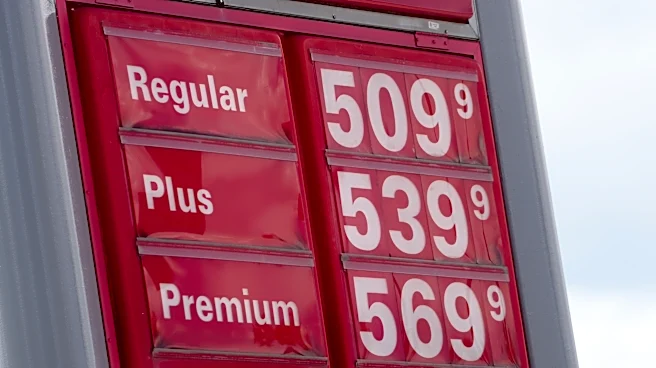
reported missing meals due to lack of food, and nearly 16% relied on food donations. Among families earning less than $50,000 annually, the rates of food insecurity were nearly double, with about 20% forced to skip meals. The survey also highlights a significant increase in reliance on the Supplemental Nutrition Assistance Program (SNAP), with nearly 18% of families receiving benefits, up from 10.6% in 2020. The rising costs of essentials like gas and food, coupled with the end of pandemic-era government relief payments, have exacerbated the situation, leading to increased economic stress for many households.
Why It's Important?
The findings underscore a growing economic divide in the U.S., often described as a 'K-shaped recovery,' where some segments of the population recover economically while others face increasing hardship. The rise in food insecurity reflects broader economic challenges, including inflation and stagnant wage growth, which disproportionately affect lower-income families. The increased reliance on SNAP benefits, despite tightened eligibility, indicates a critical need for continued and possibly expanded support for vulnerable populations. The situation also highlights the potential for long-term societal impacts, as food insecurity can lead to adverse health outcomes and hinder educational and economic opportunities for affected families.
What's Next?
As food insecurity continues to rise, there may be calls for policy interventions to address the underlying economic issues. This could include discussions on increasing federal assistance programs, implementing measures to control inflation, or providing targeted relief to lower-income families. Community organizations, like food banks, are likely to play an increasingly vital role in supporting those in need, potentially requiring additional resources and support from both public and private sectors. The ongoing economic challenges may also influence public sentiment and policy priorities in upcoming elections, as voters seek solutions to improve economic security.