
What's Happening?
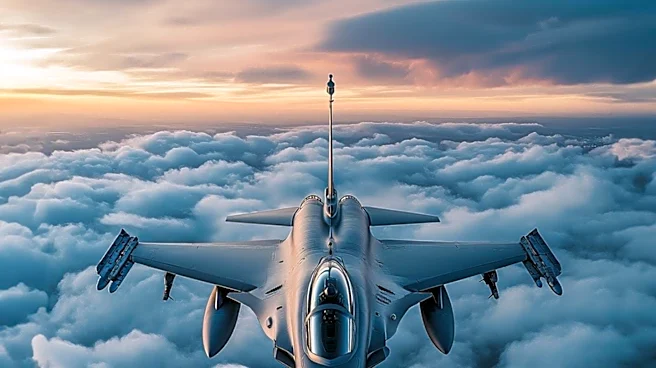
Vietnam is reportedly evaluating the Dassault Rafale fighter jet, a move that could signify a significant departure from its long-standing reliance on Soviet and Russian combat aircraft. This potential
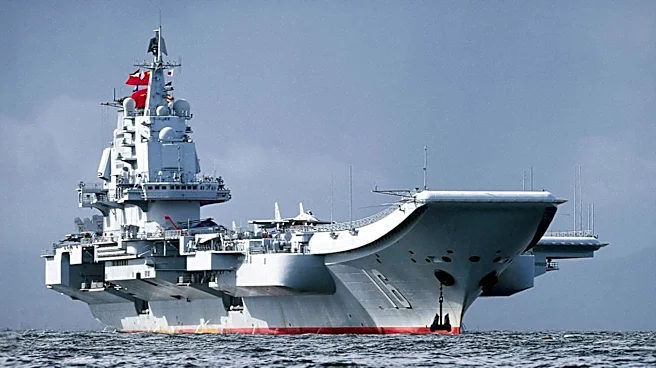
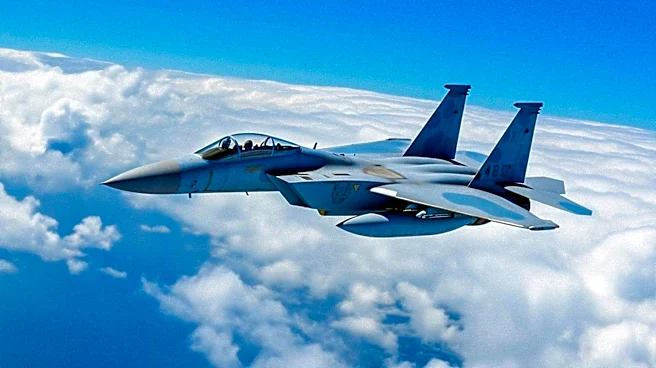
acquisition, estimated between US$4 billion and US$6 billion for 24 to 40 aircraft, is driven by several factors: an aging Vietnamese air fleet, uncertain Russian supply chains, and the rapid expansion of China's military capabilities in the South China Sea. While no formal contract has been announced, pilot familiarization activities and French marketing efforts suggest serious consideration. The current Vietnamese air force largely consists of older Su-22s, Su-27s, and Su-30MK2s, which are increasingly outmatched by China's advanced integrated forces, including J-10C, J-16, Su-35, and J-20 stealth fighters, along with sophisticated electronic warfare and long-range missile systems. A Rafale acquisition would introduce a Western weapons, training, maintenance, and electronic-warfare ecosystem, diversifying Vietnam's defense posture.
Why It's Important?
This potential shift is crucial for Vietnam's strategic autonomy and regional power balance. Its current dependence on Russian military technology presents operational vulnerabilities due to sanctions, wartime production priorities in Russia, and unpredictable supply chain issues. Diversifying its defense suppliers would mitigate these risks, ensuring greater readiness and resilience for its combat forces. The Rafale, with its advanced radar, electronic warfare suite, and long-range missiles, would enhance Vietnam's ability to deter Chinese coercion in disputed territories like the Paracel and Spratly Islands, imposing higher costs on potential aggressors. While it wouldn't achieve numerical parity with China, it would significantly improve Vietnam's tactical capabilities at critical confrontation points. This move also signals a broader trend in Southeast Asia, where nations are seeking to strengthen their defenses without necessarily aligning with major powers, reflecting a complex geopolitical landscape.
What's Next?
Vietnam is likely to continue its careful balancing act, exploring a layered force structure that combines life-extended Russian-origin fighters with new Western aircraft. This approach aims to strengthen deterrence without entering formal alliances or provoking Beijing. Negotiations for Rafale production positions, interim training, weapons deliveries, and support infrastructure would be complex, given Dassault's order backlog. Vietnam will also need to address the significant financial and operational burden of establishing a second fighter ecosystem, including training personnel and developing new maintenance capabilities. The decision will be closely watched by regional and global powers, as it could influence other Southeast Asian nations facing similar defense modernization challenges and geopolitical pressures. India could emerge as a strategic beneficiary, given its existing Rafale and Su-30 operations and support for Russian-origin equipment.
Beyond the Headlines
The potential Rafale acquisition highlights Vietnam's 'Four Nos' policy, which rejects military alliances, foreign bases, and the use of force, emphasizing strategic autonomy. France's position as a permanent UN Security Council member and an Indo-Pacific power allows it to supply advanced capabilities without demanding treaty commitments, making it an attractive partner for non-aligned nations. This move could trigger deeper implications for regional defense markets, potentially normalizing European defense standards in a historically Russian-dominated area. It also underscores the ethical and strategic dilemmas faced by smaller nations in navigating great power competition, where defense procurement becomes a delicate dance between capability enhancement, supply chain security, and geopolitical signaling. The long-term impact could be a more diversified and resilient Vietnamese military, capable of asserting its sovereignty more effectively in a contested region.