








What's Happening?
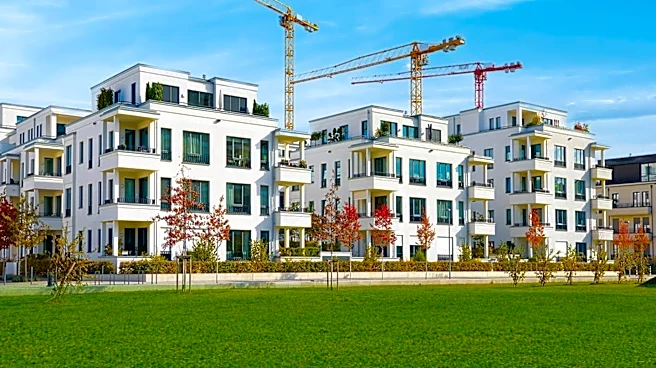
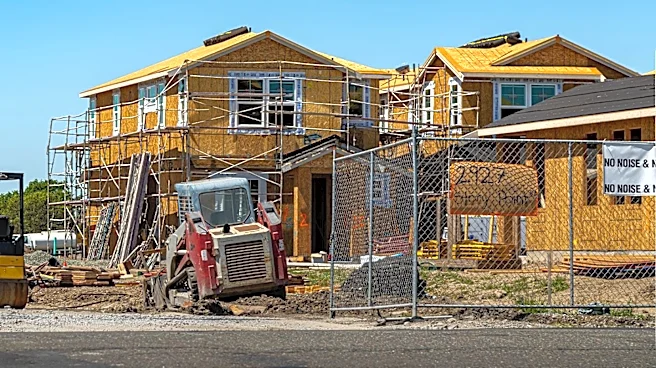
Cambridge, Massachusetts, has implemented sweeping zoning reforms that allow the construction of four-to-six-story residential buildings on nearly any residential lot with minimal input from neighbors or city boards. This change has led to a surge in new
housing projects, with approximately 400 new homes permitted this year, including many small and midsized multifamily units. However, the reforms have sparked backlash from residents, particularly concerning projects that replace single-family homes with larger apartment buildings. The City Council is considering revisions to address concerns about the size and affordability of new units.
Why It's Important?
The zoning reform in Cambridge represents a significant shift in urban planning, aimed at addressing housing shortages and promoting development. By easing restrictions, the city hopes to increase housing availability and diversity, potentially reducing housing costs in the long term. However, the backlash highlights the challenges of balancing development with community interests, particularly regarding neighborhood character and affordability. The situation in Cambridge may serve as a case study for other cities considering similar reforms, illustrating the complexities of urban growth and the need for careful policy design.
What's Next?
The Cambridge City Council is reportedly considering revisions to the zoning rules to address community concerns, which may include limiting the allowable square footage of new units. Residents opposed to specific projects may pursue legal action, potentially influencing future development plans. The ongoing debate may lead to further discussions about affordable housing requirements and the impact of urban density on community dynamics. As the city navigates these challenges, stakeholders will need to engage in dialogue to find solutions that balance growth with the preservation of neighborhood character.