







What's Happening?
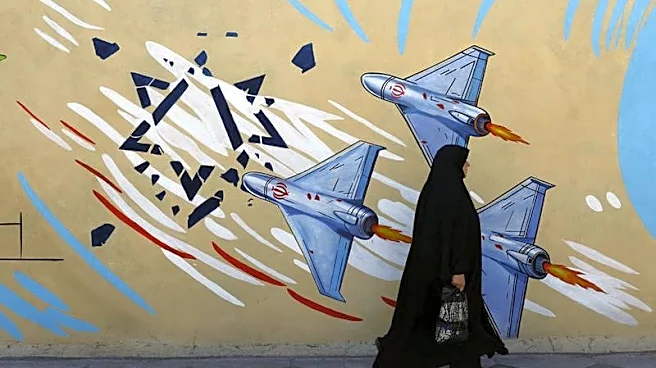
The United States and Iran are reportedly close to finalizing an agreement that would extend a current cease-fire by 60 days. According to mediators, discussions are underway to create a framework for Iran to dilute or hand over its stockpile of highly
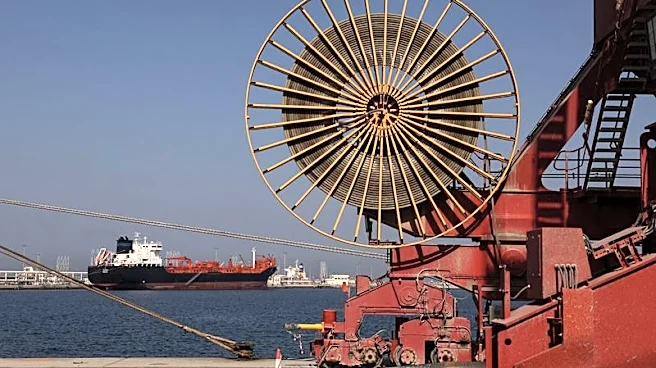
enriched uranium. As part of the cease-fire, the U.S. would ease its blockade of Iranian ports, while Iran would gradually reopen the Strait of Hormuz. Additionally, the U.S. would agree to sanctions relief and pause the freezing of Tehran's overseas assets. Iran's Foreign Ministry Spokesperson, Esmael Baghaei, mentioned that a 'memorandum of understanding' is being discussed as part of the initial phase of the cease-fire talks, with details on denuclearization and the Strait's opening to be finalized within 30-60 days.
Why It's Important?
This potential agreement between the U.S. and Iran could significantly impact international relations and regional stability in the Middle East. Easing tensions between the two nations may lead to a reduction in military confrontations and open pathways for diplomatic resolutions to other regional conflicts. For the U.S., this agreement could mean a strategic shift in its Middle Eastern policy, potentially reducing military expenditures and focusing on diplomatic engagements. For Iran, sanctions relief could provide much-needed economic reprieve, allowing for economic recovery and increased trade opportunities. The reopening of the Strait of Hormuz is particularly crucial, as it is a vital passage for global oil shipments, and its reopening could stabilize global oil markets.
What's Next?
If the agreement is finalized, the next steps would involve detailed negotiations on the denuclearization process and the operational aspects of reopening the Strait of Hormuz. Both nations will likely face internal and external pressures, with hardliners potentially opposing the concessions made. The international community, including allies and regional players, will closely monitor the developments, as the agreement could set a precedent for future diplomatic engagements in the region. The success of this agreement could also influence U.S. foreign policy strategies and Iran's international standing.