






What's Happening?
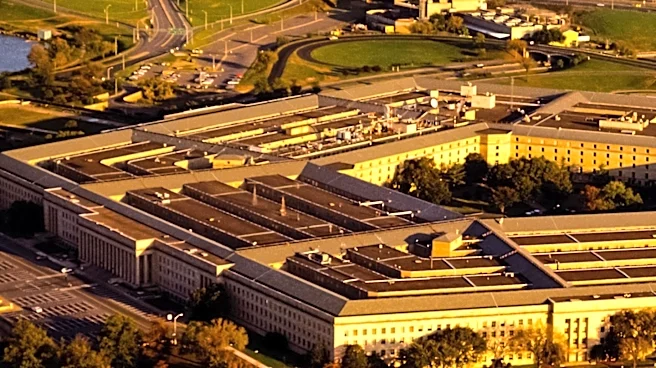
The U.S. military is actively addressing the issue of aging infrastructure across its installations through a partnership with Sourcewell, a government-to-government partner. Since the launch of the Military Support Program in 2023, over 430 requests
have been submitted to repair, replace, or upgrade essential systems. These requests, made by the Army, Navy, Marine Corps, and Army Reserve, focus on improving daily living conditions and extending the life of existing facilities. Key projects include over 300 HVAC improvements, 100 roofing projects, and 60 plumbing and water system upgrades. The initiative aims to tackle urgent challenges such as mold in barracks and other infrastructure concerns. Sourcewell's CEO, Dr. Chad Coauette, emphasized the importance of these upgrades in enhancing the living conditions of service members. The program utilizes Intergovernmental Support Agreements (IGSAs) to streamline procurement processes, allowing for faster completion of projects and significant cost savings.
Why It's Important?
This modernization effort is crucial for maintaining the operational readiness and quality of life for U.S. military personnel. By addressing infrastructure issues promptly, the military can prevent minor problems from escalating into major, costly repairs. The partnership with Sourcewell demonstrates a shift towards more efficient procurement processes, which can lead to substantial cost savings and quicker project completion. This approach not only benefits the military but also sets a precedent for other government agencies seeking to modernize their facilities. The improvements in living conditions can boost morale and productivity among service members, ultimately enhancing the overall effectiveness of the U.S. military.
What's Next?
The ongoing efforts to modernize military facilities are expected to continue, with more projects likely to be initiated under the Military Support Program. As the partnership with Sourcewell progresses, further enhancements in procurement efficiency and cost management are anticipated. The military may also explore additional non-traditional pathways to address infrastructure needs, potentially expanding the scope of the program. Stakeholders, including military leaders and government agencies, will likely monitor the outcomes of these projects to assess their impact on operational readiness and service member welfare.