
What's Happening?
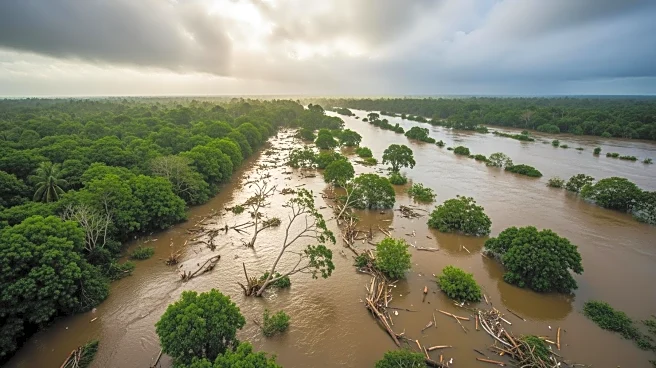
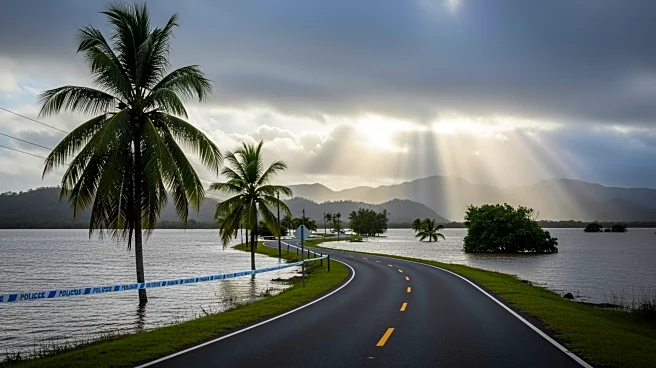
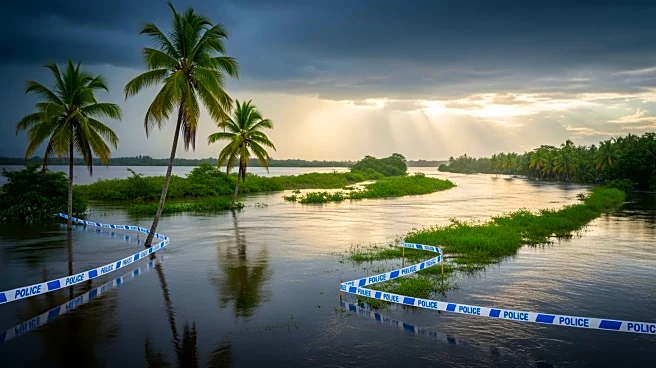
Actor Jason Momoa and his family have evacuated their home on Oahu’s North Shore due to severe flooding caused by a powerful storm in Hawaii. The storm has resulted in the worst flash floods the island has experienced in over two decades. Momoa shared
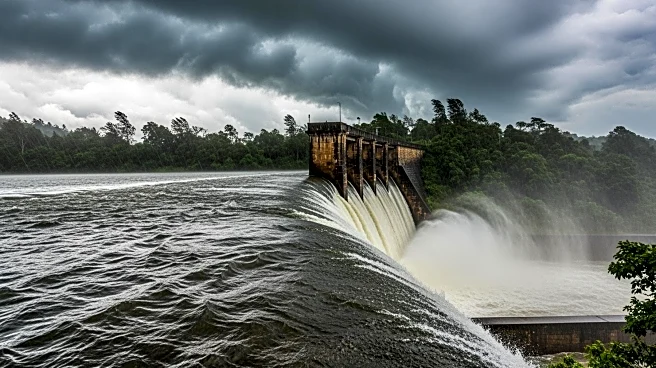
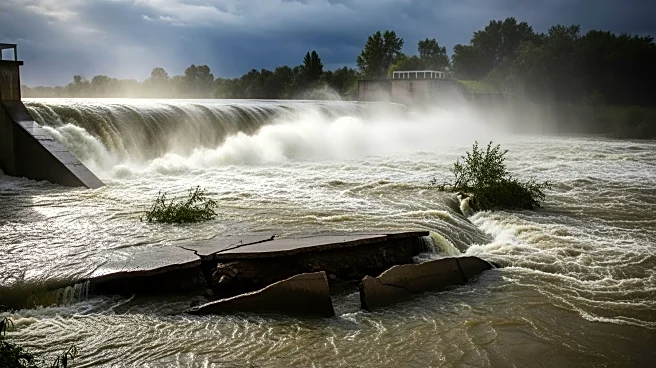
on Instagram that they lost power and had to leave as rain and floodwaters damaged homes and vehicles, prompting mass evacuations near the Wahiawa Dam. Honolulu officials ordered over 5,000 residents to evacuate areas downstream of the dam, which is at risk of imminent failure. The National Weather Service has issued a flood watch for all of Hawaii through Sunday. In less than 24 hours, the dam's water level rose significantly, and more than 230 people have been rescued. The storm has caused significant damage, with estimates potentially exceeding $1 billion.
Why It's Important?
The severe flooding in Hawaii highlights the vulnerability of infrastructure and communities to extreme weather events, which are becoming more frequent and intense due to climate change. The evacuation of thousands, including high-profile individuals like Jason Momoa, underscores the widespread impact of such natural disasters. The potential failure of the Wahiawa Dam poses a significant risk to public safety and property, emphasizing the need for improved infrastructure resilience. The economic impact is substantial, with damage estimates potentially exceeding $1 billion, affecting local economies and requiring significant recovery efforts. The situation also raises awareness about the importance of emergency preparedness and response in mitigating the effects of natural disasters.
What's Next?
Authorities in Hawaii are likely to focus on immediate rescue and relief efforts, ensuring the safety of residents and addressing the damage caused by the floods. The state may seek federal assistance to support recovery and rebuilding efforts. There could be increased scrutiny on the condition and maintenance of critical infrastructure like the Wahiawa Dam to prevent future incidents. In the longer term, Hawaii may need to invest in climate adaptation strategies to enhance resilience against similar events. The situation may also prompt discussions on climate policy and infrastructure funding at both state and national levels.