









What's Happening?
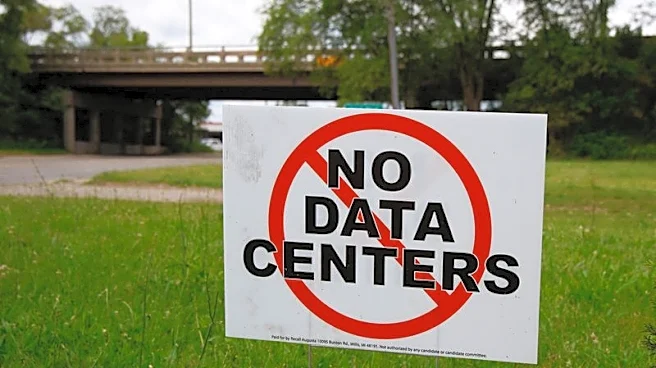
The Jersey City Council has introduced a bill aimed at prohibiting the construction of new data centers on industrial land within the city. This legislative move is part of a broader effort to regulate the use of industrial spaces and address concerns
related to infrastructure and environmental impact. The council's decision reflects growing apprehension about the rapid expansion of data centers, which are known for their significant energy consumption and potential strain on local resources. The bill's introduction marks the beginning of a legislative process that will involve further discussions and potential amendments before any final decision is made.
Why It's Important?
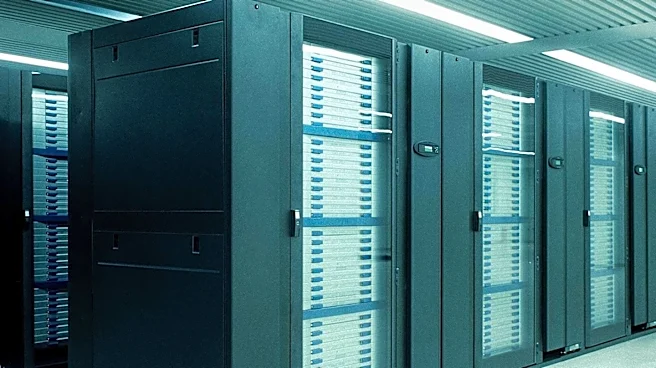
The proposed ban on new data centers in Jersey City highlights a critical intersection of urban planning, environmental sustainability, and economic development. Data centers, while essential for supporting digital infrastructure, consume large amounts of electricity and water, raising concerns about their environmental footprint. By restricting their development, Jersey City aims to preserve industrial land for other uses that may align more closely with the city's long-term sustainability goals. This move could set a precedent for other urban areas grappling with similar challenges, influencing how cities balance technological growth with environmental stewardship.
What's Next?
As the bill progresses through the legislative process, stakeholders including local businesses, environmental groups, and residents are expected to engage in discussions to shape the final outcome. The city council will likely hold public hearings to gather input and address concerns from various community members. If the bill passes, it could lead to a reevaluation of existing data center projects and influence future urban development strategies. Additionally, the decision may prompt data center operators to explore alternative locations or invest in more sustainable technologies to mitigate their environmental impact.