



What's Happening?
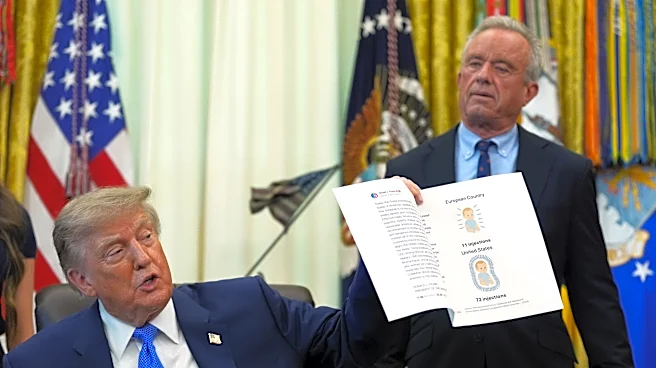
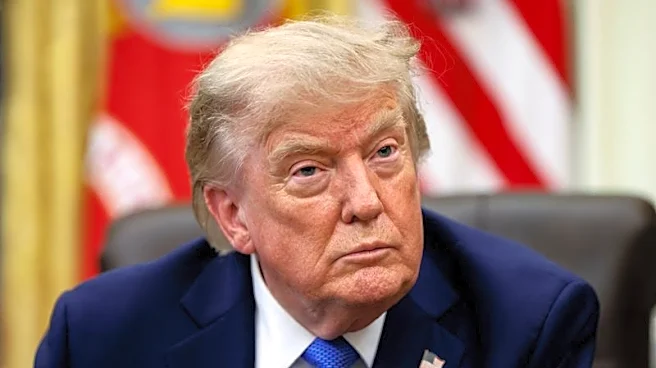
President Trump has issued an executive order calling for significant changes to the childhood vaccination schedule in the U.S., a move that aligns with his long-standing anti-vaccination stance. The order reduces the number of recommended immunizations
and promotes individual vaccines over combined ones, citing parental authority and religious freedom. Critics argue that this approach undermines decades of science-based public health policy and could increase confusion among parents regarding immunization decisions. The order also revives debunked claims linking vaccines to autism, despite overwhelming scientific evidence to the contrary.
Why It's Important?
The executive order represents a major shift in U.S. vaccination policy, potentially jeopardizing public health by reducing vaccination rates and increasing the risk of disease outbreaks. By challenging established immunization practices, the order could lead to lower protection against preventable diseases, affecting millions of children nationwide. The move also highlights the administration's disregard for scientific consensus and could have long-term implications for vaccine research and development. Public health experts warn that the order could exacerbate existing health disparities and undermine efforts to maintain high vaccination coverage.
What's Next?
The order is likely to face resistance from state governments and public health organizations, many of which may choose to ignore the federal recommendations. Legal challenges could arise, questioning the administration's authority to alter vaccine policies without scientific justification. The Centers for Disease Control and Prevention may be pressured to revise its guidelines, but the agency's new leadership has pledged to uphold scientific integrity. The ongoing debate over vaccine policy will continue to be a contentious issue, with potential implications for future administrations.