






What's Happening?
Tensions between the United States and Iran have escalated following a series of military exchanges. The U.S. Central Command reported defeating multiple Iranian ballistic missiles and drones, leading to retaliatory 'self-defense strikes' on Qeshm Island
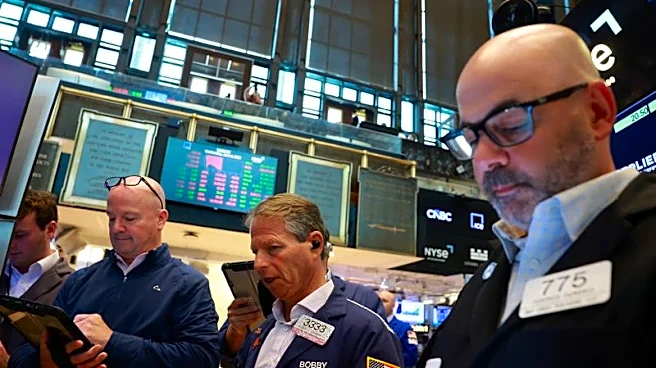
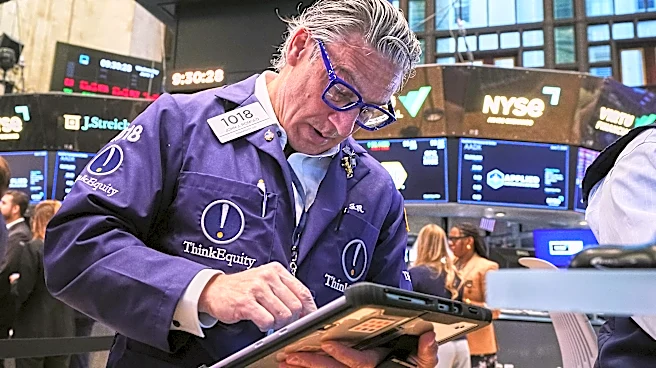
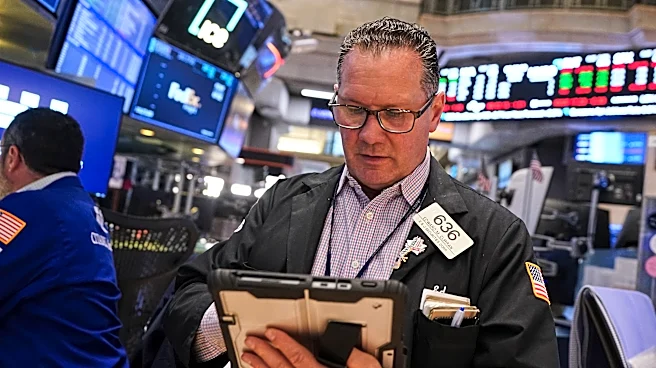
in the Persian Gulf. In response, Iran struck the Kuwait International Airport. Israeli Prime Minister Benjamin Netanyahu stated that both Israel and the U.S. are prepared to strike Iran again if necessary. These developments have caused significant fluctuations in the Asia-Pacific markets, with major indices such as Japan's Nikkei 225 and South Korea's Kospi experiencing declines. The heightened tensions have also contributed to increased oil prices, with West Texas Intermediate and Brent crude futures rising significantly.
Why It's Important?
The renewed tensions between the U.S. and Iran have significant implications for global markets, particularly in the Asia-Pacific region. The increase in oil prices due to the conflict could lead to higher energy costs, impacting inflation rates and economic stability in various countries. Investors are concerned about the potential for prolonged conflict, which could further disrupt global supply chains and economic recovery efforts. The situation underscores the interconnectedness of geopolitical events and global financial markets, highlighting the need for strategic risk management by investors and policymakers.
What's Next?
If tensions continue to escalate, further military actions could occur, potentially leading to broader regional instability. This may prompt international diplomatic efforts to de-escalate the situation. Financial markets will likely remain volatile as investors react to developments. Countries dependent on oil imports may need to adjust their economic policies to mitigate the impact of rising energy costs. Additionally, the U.S. and its allies may consider additional sanctions or diplomatic measures to address the situation.