







What's Happening?
Governor Bob Ferguson has declared a state of emergency in Walla Walla County, Washington, in response to the Paradise Fire's impact on the Mill Creek Watershed. This watershed is the primary source of drinking water for approximately 35,000 residents
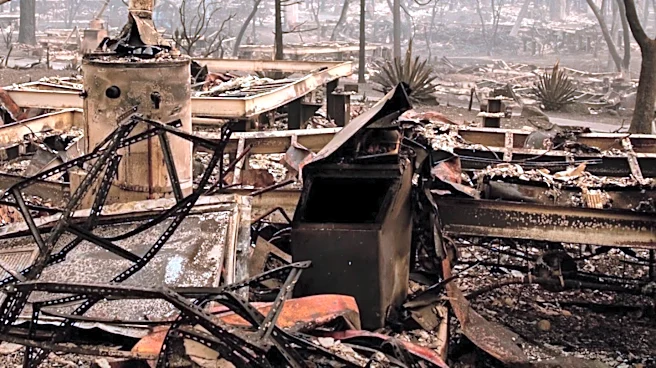
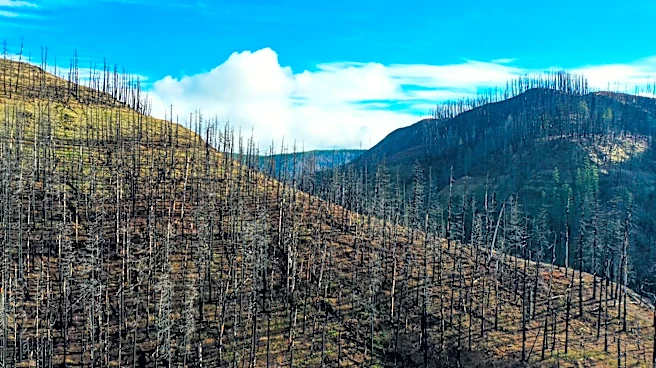
in the city of Walla Walla. The Paradise Fire, which originated from a lightning strike in Oregon on July 16, has since spread into Washington, burning over 8,000 acres. This area includes about one-third of the Mill Creek Watershed. The emergency declaration is a proactive measure to address the potential contamination of the water supply with ash and sediment, which the city's current water treatment plant is not equipped to handle. Additionally, the fire significantly increases the risk of subsequent natural disasters such as flooding, landslides, debris flows, and sedimentation in the affected region. While no fire-related impacts on water quality have been detected yet, the city has intensified water-quality testing and is preparing to use groundwater wells if the Mill Creek water becomes unusable.
Why It's Important?
This state of emergency is crucial for several reasons, primarily concerning public health and infrastructure resilience. The potential contamination of Walla Walla's drinking water supply poses a direct threat to the health and well-being of 35,000 residents. The inability of the current water treatment plant to remove ash and sediment highlights a critical vulnerability in the city's infrastructure, underscoring the need for enhanced water purification capabilities in the face of increasing wildfire risks. Furthermore, the declaration allows Walla Walla to seek federal assistance, which is vital for both immediate mitigation efforts and long-term recovery and prevention strategies. This situation also emphasizes the broader economic impact of wildfires, extending beyond immediate property damage to include significant costs associated with water treatment, infrastructure repair, and disaster preparedness. The long-term risks of flooding, landslides, and debris flows could disrupt local economies, displace residents, and strain emergency services, making the proactive measures taken by Governor Ferguson essential for regional stability.
What's Next?
Following the state of emergency declaration, Walla Walla is expected to actively pursue federal assistance to address the short-term and long-term impacts of the Paradise Fire. This will likely involve securing funding for advanced water treatment technologies, implementing measures to stabilize the Mill Creek Watershed against future erosion and debris flows, and developing comprehensive flood risk management plans. City officials will continue to monitor water quality closely, with increased testing protocols remaining in place. The city is also preparing to activate its groundwater wells as an alternative water source if the Mill Creek supply becomes compromised. In the coming months, there will likely be a focus on ecological restoration efforts within the burned areas of the watershed to prevent further environmental degradation and reduce the risk of future natural disasters. The state and local governments will also need to collaborate on public awareness campaigns to inform residents about water safety and conservation measures.
Beyond the Headlines
The Paradise Fire incident in Walla Walla County underscores a growing national challenge: the escalating threat of wildfires and their far-reaching consequences, particularly on critical infrastructure like water supplies. This event highlights the interconnectedness of environmental health and public utility systems, revealing how climate-related disasters can trigger cascading failures across essential services. Beyond the immediate concerns of water contamination, this situation prompts a deeper examination of land management practices, forest health, and the adequacy of existing infrastructure to withstand extreme weather events. It also raises ethical questions about equitable access to clean water, especially in communities vulnerable to environmental hazards. The long-term implications could include increased investment in climate-resilient infrastructure, shifts in urban planning to mitigate wildfire risks, and a reevaluation of federal and state disaster response frameworks to better address the complex and evolving nature of environmental threats. This event serves as a stark reminder that the impacts of wildfires extend far beyond the flames, necessitating a holistic and adaptive approach to environmental governance.