
What's Happening?
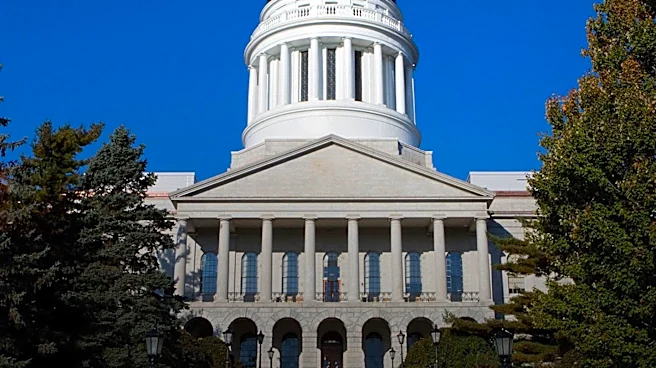
The Maine Supreme Judicial Court has affirmed a lower court's decision granting a father, Matthew Bradeen, the authority to prevent his daughter from attending an evangelical church. This ruling stems
from a 2024 dispute with the mother, Emily Bickford, over their then 11-year-old daughter's religious upbringing. Bickford had been taking their daughter to Calvary Chapel Greater Portland multiple times a week. Bradeen argued that the church environment was 'dangerous and harmful,' citing that his daughter experienced anxiety and a panic attack after hearing teachings about the rapture. The lower court found that some of the church's language was 'psychologically damaging the child' due to its characterization of the father. The Maine Supreme Court upheld this, noting that the harm resulted from the mother's 'inability to co-parent' on religious matters and her allowing the church's language to disparage the father. The ruling allows Bradeen to decide on his daughter's attendance at Calvary Chapel services and interaction with church members, while parental rights for other religious organizations remain shared, with Bradeen having final say in disagreements.
Why It's Important?
This case highlights the complex intersection of parental rights, religious freedom, and child welfare within the U.S. legal system. The decision emphasizes the court's role in prioritizing a child's psychological well-being when parental religious disagreements lead to perceived harm. Mathew Staver, Bickford's attorney from Liberty Counsel, a Christian ministry focused on religious freedom, plans to appeal to the U.S. Supreme Court, arguing that the ruling violates Bickford's First Amendment rights by showing 'open hostility' toward religious beliefs and preventing her from directing her child's religious upbringing. This potential appeal could lead to a significant Supreme Court review of how state courts balance parental religious freedom with the state's interest in protecting children from psychological harm, especially in cases of co-parenting disputes. The outcome could influence future custody battles involving religious education and set precedents for how courts assess the impact of religious teachings on children.
What's Next?
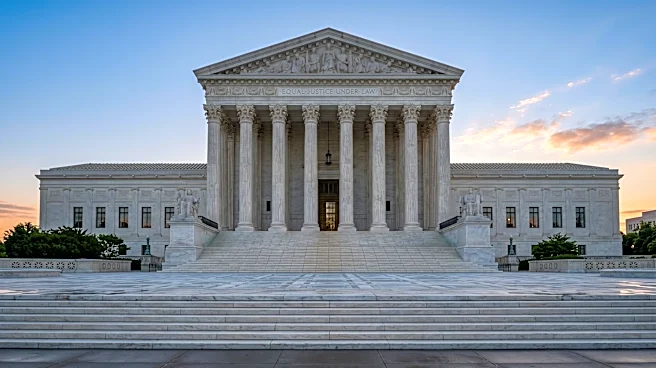
Emily Bickford and her legal counsel have 90 days to appeal the Maine Supreme Judicial Court's decision to the U.S. Supreme Court. Mathew Staver, Bickford's attorney, has indicated his intention to pursue this appeal, believing the case will be 'very significant' due to its far-reaching implications regarding the First Amendment's exercise clause. If the U.S. Supreme Court agrees to hear the case, it would delve into the constitutional boundaries of parental rights concerning religious upbringing versus a state's authority to intervene for a child's welfare. The Supreme Court's decision could either affirm the Maine court's emphasis on child psychological well-being in co-parenting disputes or reinforce parental religious freedom rights, potentially altering how similar cases are adjudicated nationwide. Michelle King, the father's attorney, anticipates the case may reach the Supreme Court and views the current decision as 'well thought-out and reasoned.'
Beyond the Headlines
This case delves into the nuanced interpretation of the First Amendment's Free Exercise Clause when applied to family law and child custody. While parents generally have the right to direct their children's religious education, this right is not absolute and can be limited if it demonstrably harms the child. The court's focus on the 'inability to co-parent' and the 'psychologically damaging' nature of the church's messages, particularly those disparaging one parent, shifts the legal emphasis from the substance of religious belief to its practical impact on family dynamics and child mental health. This could set a precedent where courts scrutinize not just the content of religious teachings but also how they are presented and how they affect inter-parental relationships and a child's emotional stability. It raises questions about the extent to which religious institutions might become indirectly involved in custody disputes if their teachings are perceived to contribute to parental alienation or psychological distress in children.