






What's Happening?
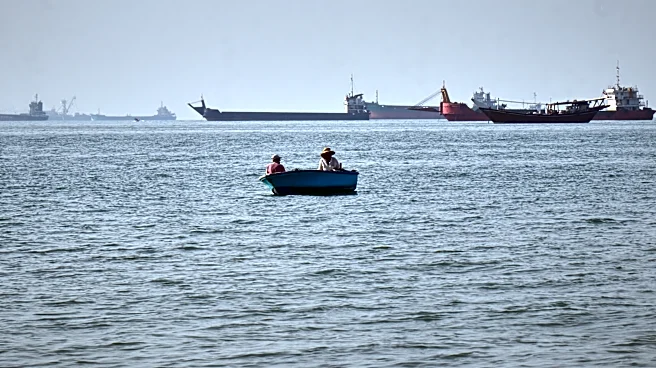
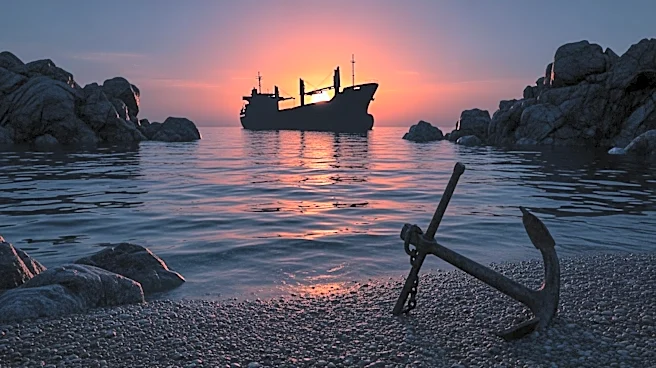
In a significant escalation of tensions near the Strait of Hormuz, a ship anchored off the United Arab Emirates was seized and taken toward Iran, while another cargo ship near Oman was attacked and sank. The incidents occurred amid Iran's assertion of control
over the waterway, a critical passage for global oil transport. The attack on the Indian-flagged cargo ship Haji Ali resulted in no casualties, as all crew members were rescued. The events have heightened diplomatic tensions, with Iran's actions drawing international scrutiny.
Why It's Important?
The Strait of Hormuz is a strategic chokepoint for global oil shipments, and any disruption can have significant implications for international energy markets. The recent incidents highlight the fragile security situation in the region and the potential for conflict to impact global trade. The U.S. and its allies are concerned about Iran's actions, which could lead to increased military presence and diplomatic efforts to ensure the security of maritime routes. The situation underscores the geopolitical importance of the region and the potential for broader conflict.
What's Next?
The international community is likely to respond with increased diplomatic and military measures to ensure the security of the Strait of Hormuz. The U.S. may bolster its naval presence in the region to deter further incidents and protect commercial shipping. Iran's demands for recognition of its sovereignty over the strait are unlikely to be met, potentially prolonging the standoff. Ongoing negotiations between the U.S. and Iran will be critical in determining the future stability of the region.