
What's Happening?
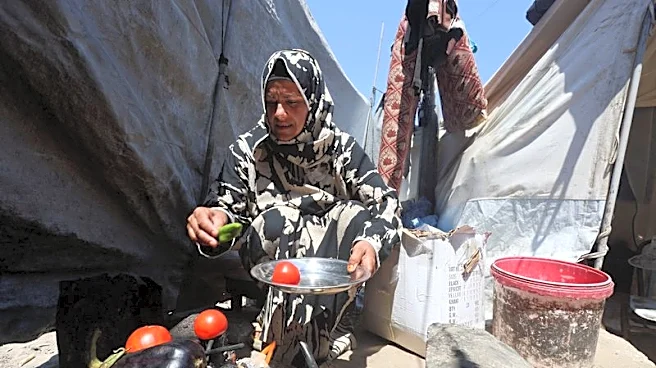
The United Nations has issued a famine alert for Gaza, highlighting that 1.4 million people, or 67% of the population, are experiencing crisis or worse levels of acute food insecurity. This marks a slight
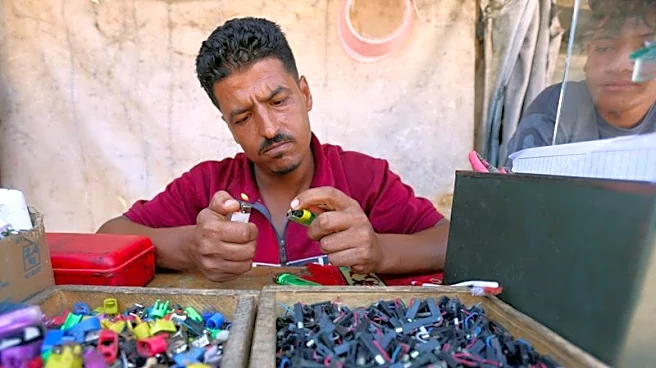
improvement from the previous year, where 1.6 million people were affected. The alert comes as four governorates—North Gaza, Gaza, Deir Al-Balah, and Khan Younis—are projected to face 'alert' levels of malnutrition. The UN agencies are urging the international community to provide flexible and predictable funding for food and nutrition assistance, agricultural production, health care, water and sanitation services, and livelihood recovery programs to prevent a reversal of hard-won gains and to protect the lives of 2.1 million people in Gaza.
Why It's Important?
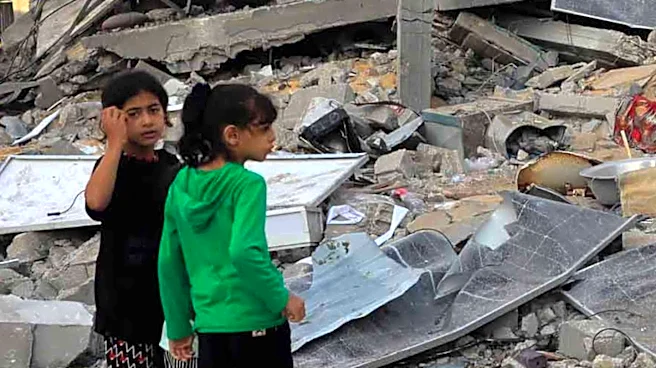
The situation in Gaza is critical as the region faces severe food insecurity, which could lead to a humanitarian crisis if not addressed. The UN's call for increased funding and support is crucial to prevent further deterioration of living conditions. The ongoing conflict and restrictions on access to essential goods exacerbate the situation, making it difficult for humanitarian aid to reach those in need. The potential for famine poses a significant threat to the health and well-being of the population, particularly vulnerable groups such as children and pregnant women.
What's Next?
The UN agencies are appealing for immediate international support to scale up humanitarian efforts in Gaza. Without additional resources, the progress made in improving food security could be quickly undone. The agencies emphasize the need for sustained aid and the lifting of restrictions on agricultural inputs and humanitarian supplies to enable local food production and economic recovery. The international community's response will be critical in determining the future of Gaza's food security and overall stability.