






What's Happening?
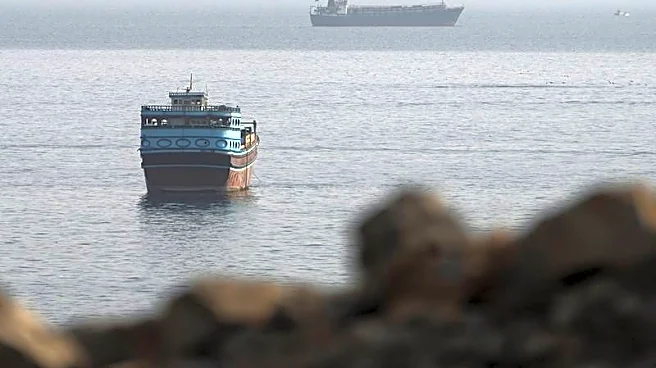
The United States has commenced the disposal of aging oil tankers seized as part of its campaign against sanctions-busting oil trades. These vessels, linked to shadow networks serving countries like Russia, Iran, and Venezuela, are being directed towards
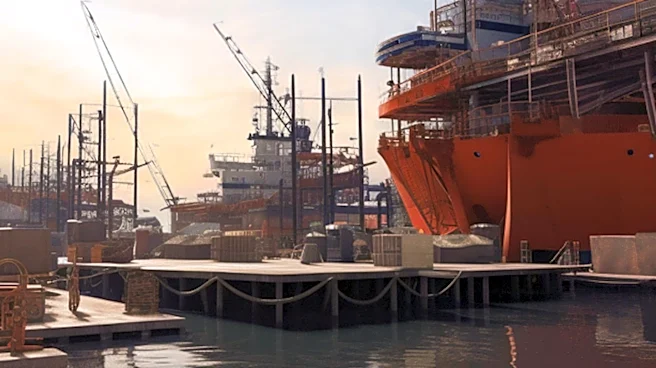
demolition rather than being allowed back into circulation. This marks a significant step in Washington's increasingly physical approach to enforcing sanctions. Earlier this year, US military and Coast Guard forces seized seven ships linked to Venezuela in international waters, including the Russian-flagged Marinera. The move to scrap these vessels is facilitated by ship recycling giant GMS, which has been granted licenses by the US Treasury to purchase and recycle four separately sanctioned ships. This is the first time such approvals have been granted, setting a precedent for handling the growing number of blacklisted vessels.
Why It's Important?
This development underscores the US government's commitment to enforcing international sanctions more rigorously. By scrapping these vessels, the US aims to permanently remove them from circulation, thereby reducing the risk of sanctions evasion. This approach also addresses environmental concerns associated with uninsured and poorly maintained ships. The decision to grant licenses for scrapping reflects a strategic shift towards more sustainable and effective sanctions enforcement. It highlights the financial and logistical challenges of maintaining seized vessels, as evidenced by the high costs incurred in maintaining the VLCC Skipper, seized last December. The initiative could potentially lead to the removal of over 100 shadow ships annually, significantly impacting the global shadow fleet and reinforcing the US's stance on international sanctions.
What's Next?
The US is likely to continue its aggressive stance on sanctions enforcement, potentially expanding the scope of its operations to include more vessels linked to sanctioned countries. The success of this initiative could lead to the development of a more comprehensive licensing regime for scrapping seized ships, encouraging other countries to adopt similar measures. Stakeholders, including international shipping companies and governments, may need to reassess their strategies to comply with these enhanced enforcement measures. The move could also prompt diplomatic discussions on the effectiveness and implications of such sanctions, potentially influencing future international policy decisions.