



What's Happening?
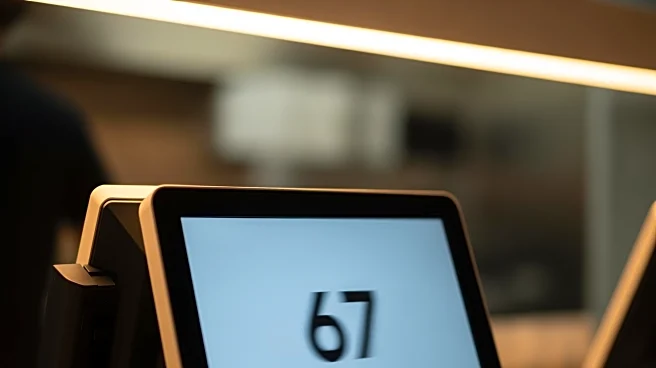
In-N-Out Burger has decided to remove the number 67 from its ordering system in response to disruptions caused by the viral '6-7' meme. This meme, which originated from the song 'Doot Doot (6 7)' by rapper Skrilla, features the repeated lyric 'six-seven'
and has become popular among young people. The meme is also associated with NBA star LaMelo Ball's height of 6-foot-7. The trend has led to pranksters frequently waiting for the number 67 to be called in In-N-Out locations, prompting the chain to skip from 66 to 68 in their order numbering. This change was confirmed by an employee at a Los Angeles location and was further evidenced by a video on social media showing an employee explaining the removal to a customer.
Why It's Important?
The decision by In-N-Out Burger to alter its ordering system highlights the significant impact that viral internet trends can have on businesses. The '6-7' meme, despite its lack of inherent meaning, has gained enough traction to affect the operations of a major fast-food chain. This situation underscores the power of social media in shaping consumer behavior and the challenges businesses face in managing such trends. By removing the number 67, In-N-Out aims to mitigate disruptions and maintain a smooth customer experience. This move also reflects the broader influence of internet culture on traditional business practices, as companies must adapt to the rapidly changing digital landscape.
What's Next?
In-N-Out's response to the '6-7' meme may prompt other businesses to consider how they handle similar viral trends. Companies might need to develop strategies to address potential disruptions caused by internet phenomena. Additionally, the popularity of the '6-7' meme could inspire further creative expressions or adaptations in other contexts, potentially leading to new trends. Businesses will likely continue to monitor social media closely to anticipate and respond to such developments effectively.
Beyond the Headlines
The '6-7' meme's rise to prominence, including being named Dictionary.com's 2025 Word of the Year, illustrates the evolving nature of language and communication in the digital age. It highlights how seemingly nonsensical phrases can gain cultural significance and influence behavior. This phenomenon raises questions about the role of social media in shaping language and the potential for such trends to impact various aspects of society, including education, as some teachers have banned the phrase in classrooms.