




What's Happening?
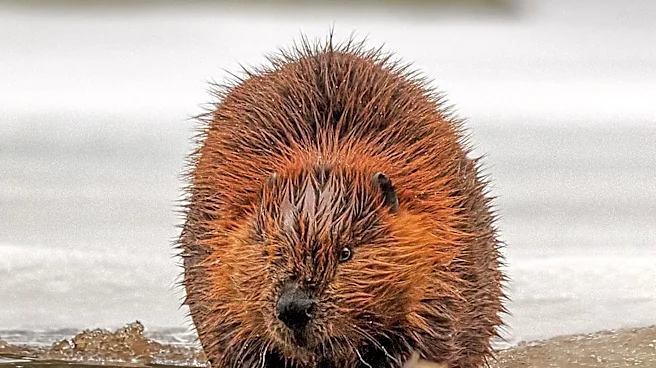
Beavers, often referred to as 'nature's engineers,' play a crucial role in shaping ecosystems by creating ponds, wetlands, and meadows. However, when beavers leave an area, the ecological impact is significant. Without beavers to maintain their dams,
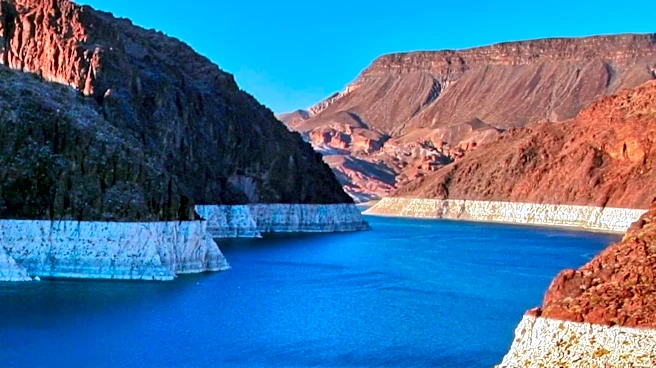
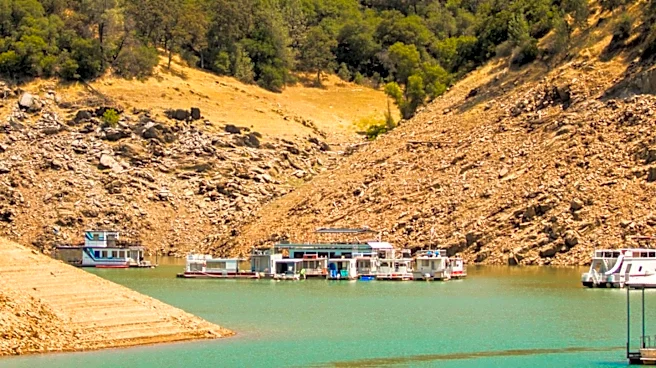
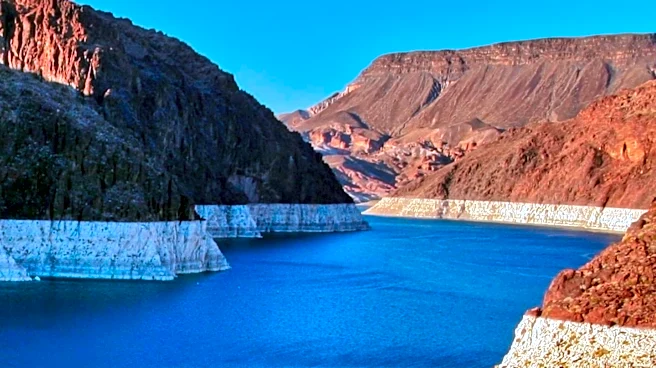
water levels drop, leading to the drying of wetlands and changes in vegetation. This affects the habitat for various species, including amphibians, birds, and large mammals. The absence of beavers can also increase wildfire risks as the landscape becomes drier. In response, some land managers are working to restore beaver populations to maintain ecological balance.
Why It's Important?
The presence or absence of beavers has a profound impact on forest ecosystems. Beavers help maintain wetlands, which are crucial for biodiversity, water storage, and fire prevention. Their absence can lead to habitat loss for many species and increase the severity of wildfires. Restoring beaver populations can enhance ecosystem resilience, improve water availability, and support biodiversity. This highlights the importance of species management in maintaining healthy ecosystems and mitigating climate-related challenges.