

What's Happening?
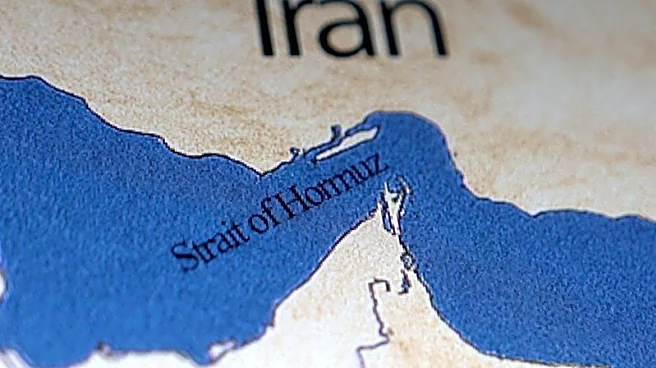
President Trump announced that the United States is ahead of schedule in achieving its objectives in the ongoing conflict with Iran. This statement was made amidst criticism directed at certain NATO countries for their refusal to assist in reopening the energy
pipeline at the Strait of Hormuz, a critical passage for global oil shipments. The President's remarks highlight the strategic importance of the region and the challenges faced in securing international cooperation. The situation underscores the complexities of international alliances and the geopolitical tensions surrounding energy resources.
Why It's Important?
The President's assertion of progress in the conflict with Iran has significant implications for U.S. foreign policy and military strategy. Success in these objectives could bolster the administration's standing domestically and internationally. However, the criticism of NATO allies points to potential fractures within the alliance, which could affect future collaborative efforts on global security issues. The reopening of the Strait of Hormuz is crucial for stabilizing global oil markets, and failure to secure cooperation could lead to economic repercussions, affecting energy prices and supply chains worldwide.
What's Next?
The next steps involve diplomatic efforts to mend relations with NATO allies and secure their support in reopening the Strait of Hormuz. The U.S. may need to engage in negotiations to address the concerns of these countries and ensure a unified approach to the conflict. Additionally, monitoring the situation in Iran and the broader Middle East will be essential to anticipate any escalations or shifts in the geopolitical landscape. The administration's handling of these issues will be closely watched by both domestic and international stakeholders.