






What's Happening?
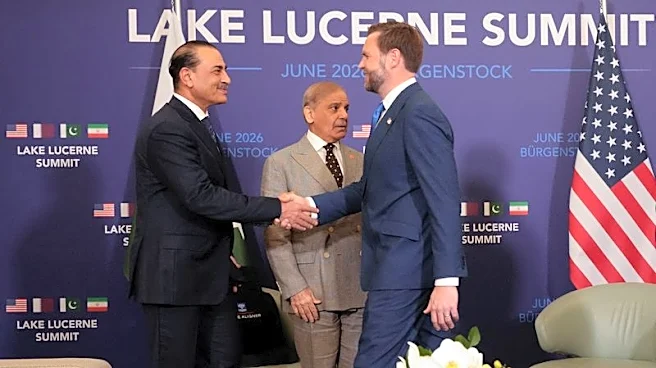
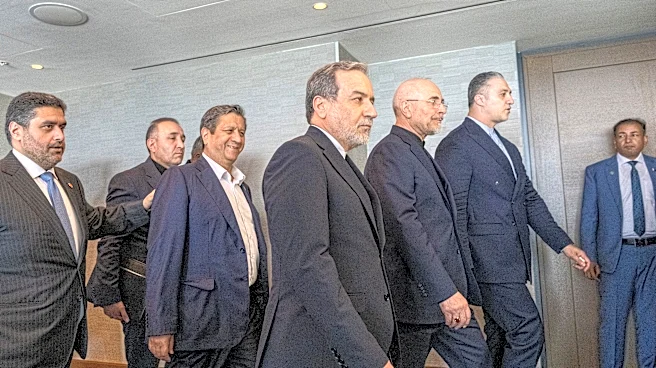
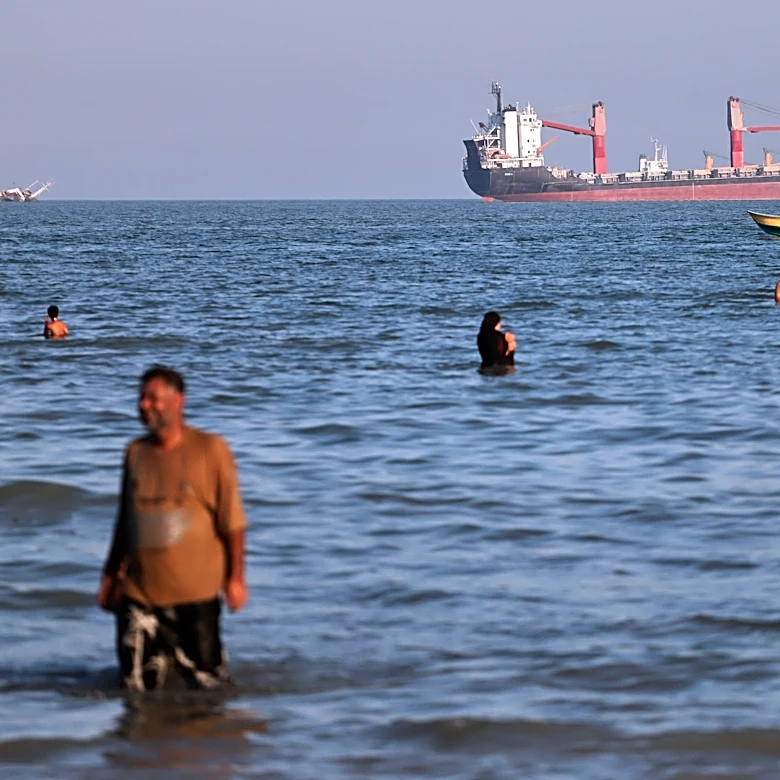
Pakistan has played a significant role as a mediator in the Iran conflict, which has affected the security of Gulf countries and global economies through energy price shocks. The country's efforts have been recognized by U.S. leadership, with Vice President
JD Vance praising Prime Minister Shehbaz Sharif and Field Marshal Asim Munir for their contributions to the peace process. The conflict has stressed Pakistan's economy, but its involvement is driven by the need to prevent regional spillover and maintain strong ties with the U.S. Pakistan's strategic position, sharing a border with Iran and having a large Shia population, makes it particularly vulnerable to the conflict's effects.
Why It's Important?
Pakistan's mediation efforts have elevated its diplomatic profile and could lead to economic benefits, particularly in its relations with Washington and Gulf allies. The country may receive favorable loan terms from Arab states or security aid from the U.S. rather than direct investment. This development highlights Pakistan's strategic importance in regional stability and its potential to leverage diplomatic achievements for economic gains. The situation underscores the interconnectedness of geopolitical and economic interests in the region.
What's Next?
Pakistan is likely to continue leveraging its role in the peace process to strengthen its economic and diplomatic ties with key allies. The country may seek further support from the U.S. and Gulf states to stabilize its economy, which has faced repeated bailouts from the International Monetary Fund. The ongoing negotiations and peace efforts could lead to more formalized agreements that benefit Pakistan's strategic and economic interests.