







What's Happening?
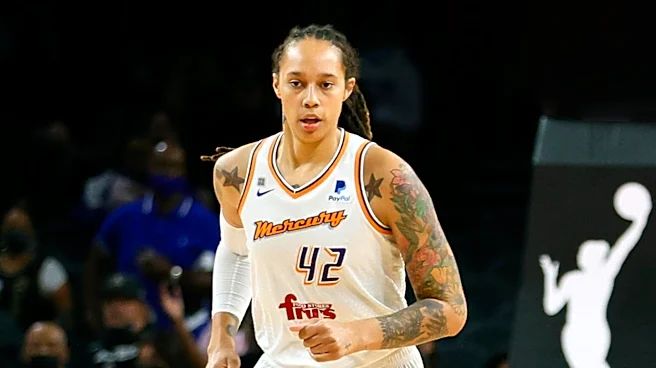
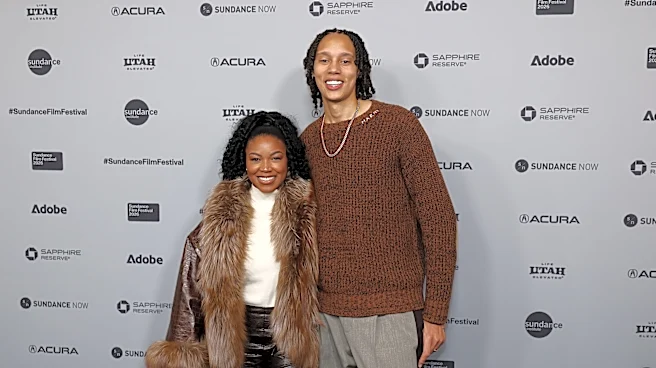
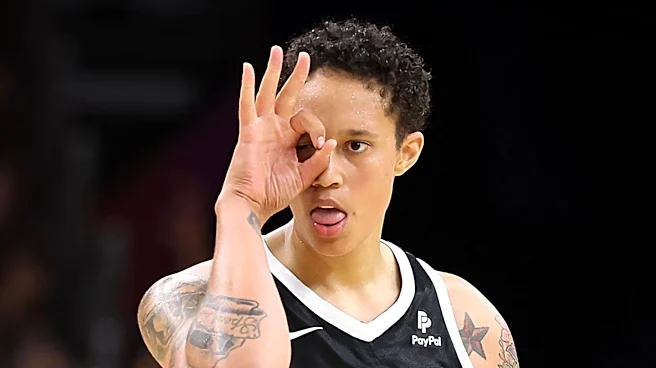
Brittney Griner, a prominent WNBA player, has filed for divorce from her wife, Cherelle Griner, after nearly eight years of marriage. The filing was made in Georgia's Fulton County Superior Court. According to the documents obtained, the couple has been
living separately since July 24, with no intimate relations. The filing states that the marriage is 'irretrievably broken' and suggests there is 'no hope of reconciliation.' The couple shares a two-year-old son, Bash Raymond Griner, and the filing proposes joint physical custody, emphasizing the child's best interests. Brittney Griner is also seeking child support in line with Georgia's Child Support Guidelines. Additionally, the filing requests an equitable division of marital assets and debts, and that Brittney retains her separate, non-marital property.
Why It's Important?
The divorce of Brittney Griner, a high-profile athlete, highlights the personal challenges faced by public figures. This development may impact Griner's public image and her professional commitments, as personal matters often intersect with public life for celebrities. The case also underscores the complexities involved in divorce proceedings, particularly concerning child custody and asset division. The emphasis on joint custody reflects a growing trend towards co-parenting arrangements that prioritize the child's welfare. This case may influence public discussions on family law, especially in the context of same-sex marriages, which continue to navigate unique legal and social challenges.
What's Next?
The next steps in the divorce proceedings will likely involve negotiations over custody arrangements and the division of assets. Both parties may engage in mediation to reach an amicable settlement, especially concerning their son's custody. The outcome of these negotiations could set precedents for similar cases involving high-profile individuals. Observers will be watching how the court addresses the division of assets and child support, which could influence future legal interpretations in Georgia and beyond. The public and media interest in the case may also prompt discussions on privacy rights for public figures undergoing personal legal matters.